
Modern businesses operate in an environment where data flows across multiple functions sales, inventory and customer interactions. When these functions remain disconnected, inefficiencies surface in the form of delayed orders, inaccurate stock levels and fragmented customer communication. A unified system like Zoho addresses this gap by bringing these operations into a single, structured ecosystem.
This integration not only workflows but also enhances real-time visibility and decision-making across the organization. By centralizing data, businesses can respond more quickly to market demands, reduce operational errors and deliver a more consistent customer experience. Tools like Zoho further enable automation and analytics, allowing companies to shift their focus from manual coordination to strategic growth and innovation..
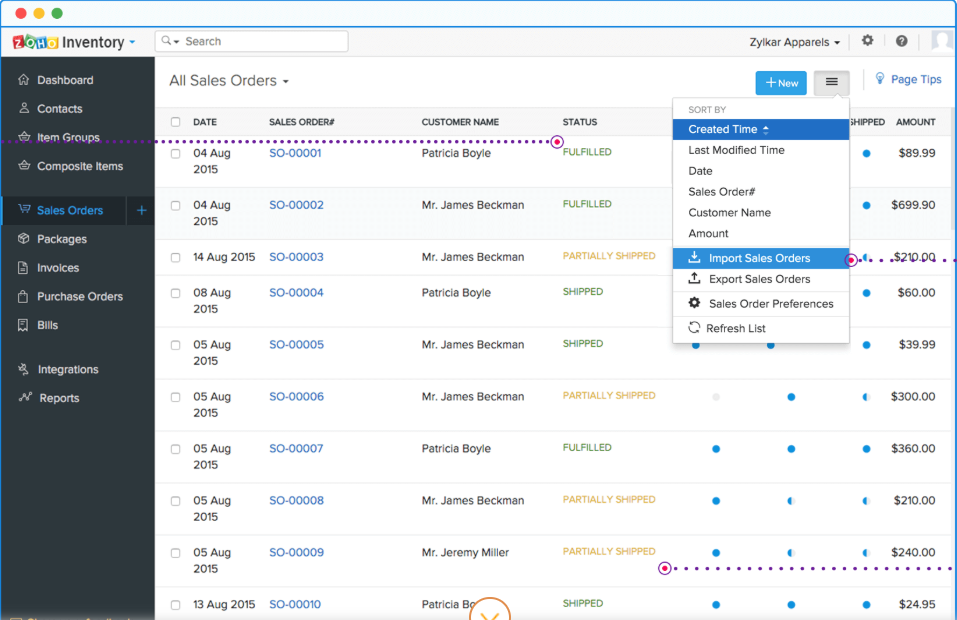
Table of Contents
Why Integrated Systems Matter in Business Operations
Disconnected systems create operational inconsistencies. Sales teams operate independently, inventory updates lag behind real-time demand and customer interactions get scattered across tools. This leads to inefficiencies that affect both internal productivity and customer experience.
If your business is facing similar challenges, you can explore a tailored approach through a consultation here:
https://calendly.com/anuj-himcos/30min
Key Operational Gaps in Fragmented Systems
Lack of Data Synchronization
When sales, inventory and customer data are stored in separate systems, inconsistencies and inefficiencies often arise. This lack of integration can lead to errors, delays and misinformed decisions. Bringing these functions together helps ensure accuracy and smoother operations.
Delayed Decision-Making
Incomplete or outdated information slows down business decisions and creates unnecessary uncertainty. When teams rely on inaccurate data, it can lead to missed opportunities and costly errors. Keeping information updated and accessible ensures faster, more confident decision-making across the organization.
Reduced Visibility
Teams often struggle due to a lack of real-time insights across departments, leading to delayed decisions and misaligned actions. Without a unified view of data, collaboration becomes inefficient and opportunities can be missed.
Inefficient Resource Utilization
Manual processes increase workload and reduce operational efficiency.
A unified platform like Zoho addresses these challenges by aligning all core functions into a centralized structure.
Inventory Management Within Zoho
Inventory management requires constant accuracy, as even minor discrepancies can disrupt operations. Within Zoho, inventory functions as a dynamic system that updates continuously based on sales and procurement activities.
Stock levels remain visible across locations, allowing businesses to track availability in real time. Every transaction—whether a sale or a purchase—immediately reflects in inventory records, reducing the chances of mismatch. This real-time synchronization creates a dependable foundation for decision-making, particularly in businesses with high transaction volumes.
Another important aspect of inventory management in Zoho is the ability to define thresholds. When stock levels reach a predefined point, the system initiates actions that maintain continuity in supply. This structured approach minimizes the risk of stock shortages while avoiding unnecessary accumulation.
Inventory categorization also plays a key role in maintaining clarity. Organized product structures improve tracking and simplify reporting, making it easier to identify patterns in stock movement. Over time, these patterns provide insights into demand trends, helping businesses refine procurement and sales strategies.
Customer Management Through Zoho
Customer management extends beyond storing contact information; it involves capturing every interaction that shapes the relationship. Within Zoho, customer data exists as a unified profile that evolves over time, incorporating sales activity, communication history and support interactions.
Every customer journey begins as a lead and progresses through multiple stages until it becomes a long-term relationship. This progression is recorded within the system, creating a detailed timeline that provides context for every interaction. Such visibility allows businesses to maintain consistency in communication and build stronger relationships.
Communication channels integrate directly into customer records, ensuring that emails, calls, and messages remain accessible within a single interface. This eliminates the need to switch between tools and reduces the risk of losing important information.
How Zoho Connects Orders, Inventory and Customers
The true strength of Zoho lies in its ability to connect multiple operational functions into a unified ecosystem. Orders, inventory and customer data do not operate independently; instead, they influence each other in a continuous cycle.
When an order is created, inventory levels adjust automatically to reflect the transaction. This adjustment eliminates discrepancies and maintains accuracy across stock records. At the same time, the order becomes part of the customer’s history, enriching the profile with transactional data.
Financial alignment adds another layer to this integration. Invoices and payments connect directly to orders, ensuring that revenue tracking remains consistent with operational activity. This interconnected structure creates a system where every action contributes to a complete operational picture.
Challenges Without an Integrated System
Businesses that rely on disconnected tools often encounter recurring challenges that impact efficiency and growth. Data silos remain one of the most common issues, where information exists in separate systems without synchronization. This lack of integration creates inconsistencies that affect decision-making.
Inventory mismatches represent another challenge, particularly when stock levels fail to reflect real-time demand. Such discrepancies lead to either shortages or excess inventory, both of which affect operational stability.
Role of Expertise in Zoho Implementation
While Zoho offers a flexible ecosystem, the effectiveness of the platform depends on how well it aligns with business processes. A generic setup often fails to capture the complexity of real-world operations, limiting the value of the system.
Expertise plays a significant role in translating business requirements into structured workflows. This involves understanding existing processes, identifying inefficiencies and designing a system that reflects actual operations. Customization becomes an important factor in this process, as each business requires a configuration that matches its specific needs.
If you’re considering implementing or optimizing Zoho for your business, you can reach out directly here:
https://himcos.com/contacts-simple/
How Himcos Aligns Zoho with Business Operations
Himcos focuses on aligning business workflows with the capabilities of Zoho, creating systems that reflect real operational requirements. The approach begins with a detailed understanding of existing processes, ensuring that system design remains grounded in practical needs.
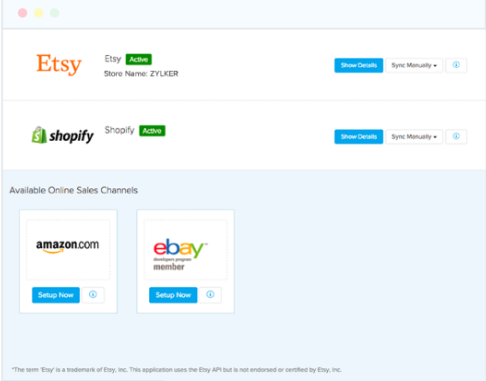
Customization forms a central part of this approach, where modules and workflows adapt to industry-specific requirements. Instead of applying standard configurations, the system evolves to match the structure of the business. Integration across applications further strengthens this alignment, creating a unified ecosystem where all functions operate in coordination.
Conclusion
Managing orders, inventory, and customers requires a structured approach where every function operates in coordination. Zoho provides a unified system that connects these elements, creating a framework where data flows seamlessly across operations.
The value of such a system lies not only in its features but in how effectively it aligns with real business processes. Expertise plays a defining role in achieving this alignment, ensuring that the platform reflects operational needs and supports growth.
Himcos contributes to this process by translating business requirements into structured systems within Zoho, enabling organizations to operate with clarity and consistency. A well-aligned system transforms operations into a connected ecosystem, supporting long-term efficiency and informed decision-making.
For a deeper discussion on your specific requirements, you can also book a session here: https://calendly.com/anuj-himcos/30min
Or get in touch directly through the contact form: https://himcos.com/contacts-simple/