
Many organizations adopt Zoho CRM to improve sales visibility and automate customer management processes. The objective is clear: track opportunities, automate follow-ups and build a structured sales pipeline that supports predictable revenue.
However, after implementation, many businesses continue experiencing operational challenges.
Leads enter the CRM system but follow-ups remain inconsistent. Sales pipelines lack clarity, making deal progress difficult to track. Customer communication history becomes fragmented and teams often continue relying on spreadsheets or manual reminders.
The CRM platform exists, but the sales system behind it remains unstructured.
Because of this gap, many companies start searching for specialists capable of designing structured automation workflows inside Zoho CRM. This is one of the main reasons organizations hire Zoho CRM experts for sales automation.
Table of Contents
AI summary
- Many organizations adopt Zoho CRM but fail to structure sales workflows.
- Sales teams continue using manual processes even after CRM implementation.
- CRM experts design automated pipelines, follow-up systems and deal tracking frameworks.
- Sales automation improves pipeline visibility and operational efficiency.
- Himcos focuses on building CRM environments aligned with real sales processes.
Why do businesses hire Zoho CRM experts for sales automation?
Sales automation requires more than installing CRM software. The platform must mirror the real sales journey, from initial lead capture to deal closure.
Without proper configuration, CRM platforms often function only as contact databases rather than operational sales systems.
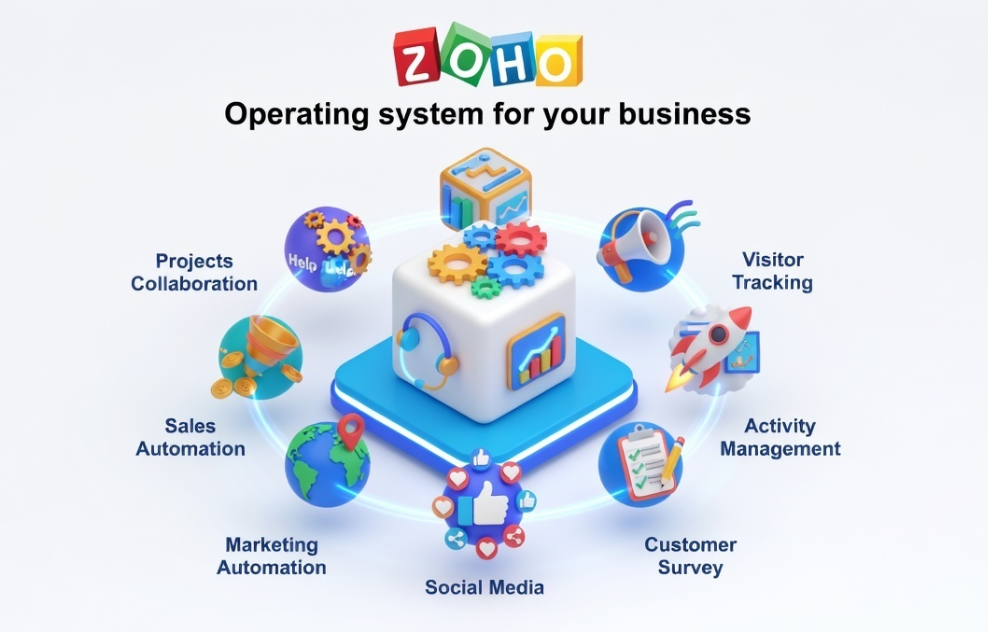
Experienced Zoho CRM specialists design structured pipelines, automate lead assignments, create follow-up workflows and integrate CRM data with marketing or financial systems. These changes transform CRM software into a complete sales management system.
Businesses therefore hire CRM experts not only for technical implementation but also for designing sales processes that the CRM can support effectively.
Book a consultation here: https://calendly.com/anuj-himcos/30min
Or reach out directly: https://himcos.com/contacts-simple/
What sales problems appear after Zoho CRM implementation?
Many operational challenges begin appearing when CRM systems are implemented without structured sales workflows.
Leads may arrive through website forms, referrals, marketing campaigns, or direct inquiries. However, if the CRM pipeline is not designed correctly, sales teams struggle to prioritize and track opportunities.
Follow-ups may be missed, deal stages become unclear and management teams lack visibility into pipeline performance.
Manual work also increases when tasks such as updating deal status, creating reminders, or assigning follow-ups are not automated. This reduces the time sales teams spend on actual selling activities.
Over time, these inefficiencies reduce the effectiveness of the CRM system.
Why many CRM implementations fail
Most CRM implementation problems occur because organizations configure software before designing the underlying sales process.
A CRM system should reflect how leads move through the sales journey, how opportunities are qualified and how deals progress toward closure.
When these processes are not clearly defined, CRM tools become disconnected from daily sales activity.
As a result, teams avoid using the system consistently, data quality decreases and management loses visibility into sales performance.
This is why many organizations eventually hire CRM experts to redesign their systems.
How Himcos designs Zoho CRM sales automation systems
Himcos approaches CRM expert implementation as a sales system design exercise rather than a simple software deployment.
The process begins by analyzing the organization’s existing sales workflow. Lead sources, qualification methods, deal stages and communication patterns are studied in detail.
Once these processes are clearly mapped, the CRM environment is structured around them.
Sales pipelines inside Zoho CRM are configured according to the real deal progression stages. Automated workflows ensure that follow-up reminders, lead assignments and activity tracking occur at the appropriate time.
Customer communication history is centralized, allowing sales teams to review every interaction with prospects and clients.
This structured approach ensures that the CRM system actively supports sales operations instead of functioning only as a record-keeping platform.
Zoho CRM sales automation framework
A structured sales automation system inside Zoho CRM typically includes several key components.
Lead capture automation
Customer inquiries from website forms, landing pages, or marketing campaigns enter the CRM automatically.
Lead qualification workflows
Automation rules assign leads to sales representatives based on geography, service interest, or lead score.
Pipeline stage automation
Real stages reflect the real sales journey, allowing opportunities to progress through structured steps.
Follow-up automation
Task reminders and notifications ensure timely follow-up activities.
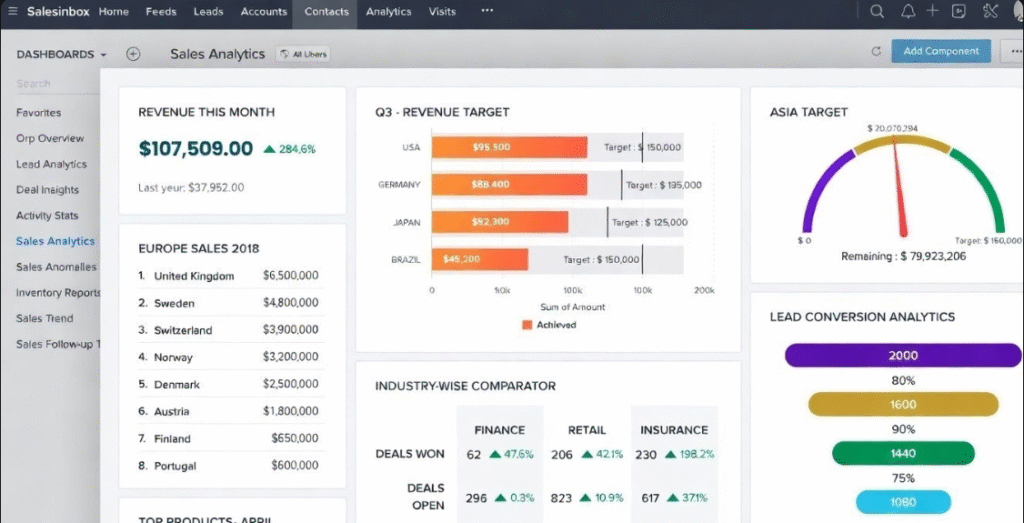
Sales reporting dashboards
Management teams gain visibility into pipeline performance, deal conversion rates and revenue forecasts.
This framework transforms Zoho CRM into a structured sales automation system.
Real implementation example
A service-based company experienced difficulties managing incoming inquiries. Leads arrived through website forms and email inquiries, but follow-ups were inconsistent and deal visibility was limited.
Himcos redesigned the sales workflow using Zoho CRM.
Lead capture processes were standardized and automated task reminders ensured timely follow-up activities. Sales pipelines were restructured to match the company’s actual decision stages.
Within a short period, the organization gained clear visibility into its sales pipeline and improved response times for new opportunities.
Implementation proof
Organizations implementing structured CRM automation systems often experience measurable operational improvements.
Sales teams gain better visibility into leads and deal progress. Automated workflows reduce manual tasks and ensure consistent follow-ups.
Management teams gain access to reliable dashboards showing pipeline activity, deal progression and revenue forecasts.
Instead of relying on fragmented tools, the entire sales process runs within a single CRM environment.
At this stage, Zoho CRM begins functioning as a true sales automation system.
Book a Free 30 min consultation!
Organizations planning to implement Zoho CRM or improve an existing setup often benefit from reviewing sales workflows before making system changes. Himcos offers consultation sessions where operational challenges can be discussed and CRM automation opportunities explored.
Meetings can be scheduled through the Calendly booking link available on the Himcos website. Additional inquiries can also be submitted through the contact page on Himcos.com.
Schedule a session here: https://calendly.com/anuj-himcos/30min
Submit your query here: https://himcos.com/contacts-simple/
Key takeaways
CRM software alone does not guarantee an effective sales system.
Without structured pipelines and automated workflows, organizations often continue relying on manual processes even after implementing a CRM platform.
Businesses that hire experienced Zoho CRM experts can transform the platform into a structured sales automation system.
Himcos focuses on designing CRM environments aligned with real sales processes, helping organizations manage leads, track deals and improve sales efficiency.