The first 90 days of a Zoho implementation define whether the system becomes a structured growth layer or an operational burden. Businesses adopt platforms like Zoho CRM and Zoho One expecting better visibility, process control, and predictable revenue tracking.
However, early-stage outcomes often look very different. Teams continue using spreadsheets, reports fail to reflect actual…
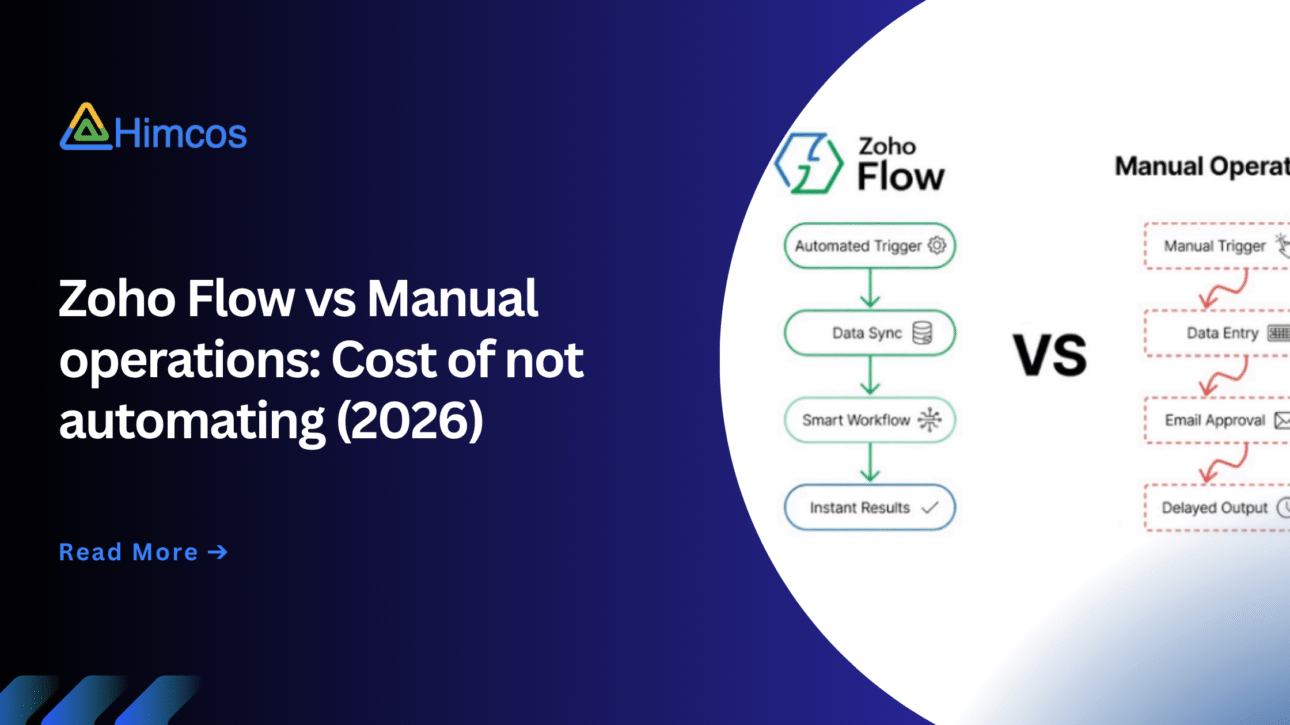
In the early stages of a business, manual operations feel manageable, and the need for automation tools like Zoho Flow is often not immediately visible. Teams rely on emails, spreadsheets, and basic tools to move work forward. Tasks are handled individually, and coordination happens through follow-ups or quick communication. At a smaller scale, this approach…
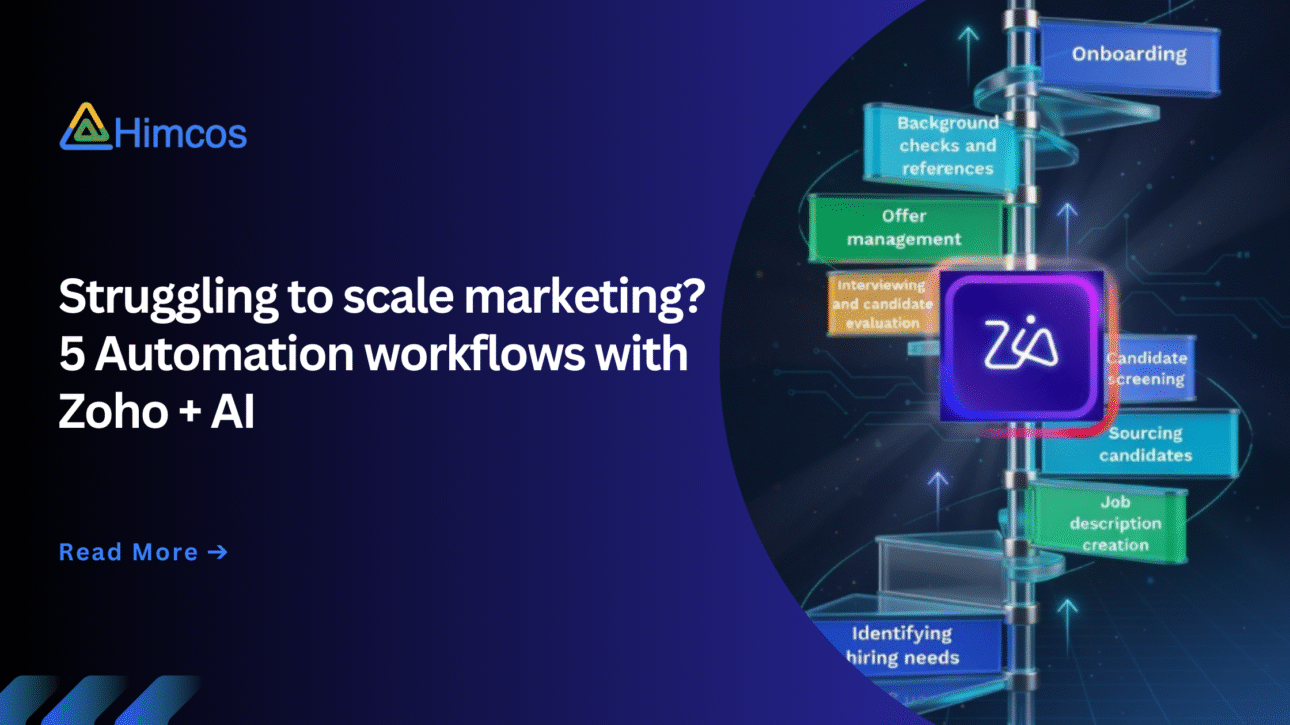
Marketing today is not just about launching campaigns. It is about building systems that continuously attract interest, guide customers through the buying journey, and provide clear visibility into marketing performance.
When marketing processes are handled manually, teams often experience delayed responses, inconsistent communication, and limited insight into what is actually working. As marketing activity grows,…
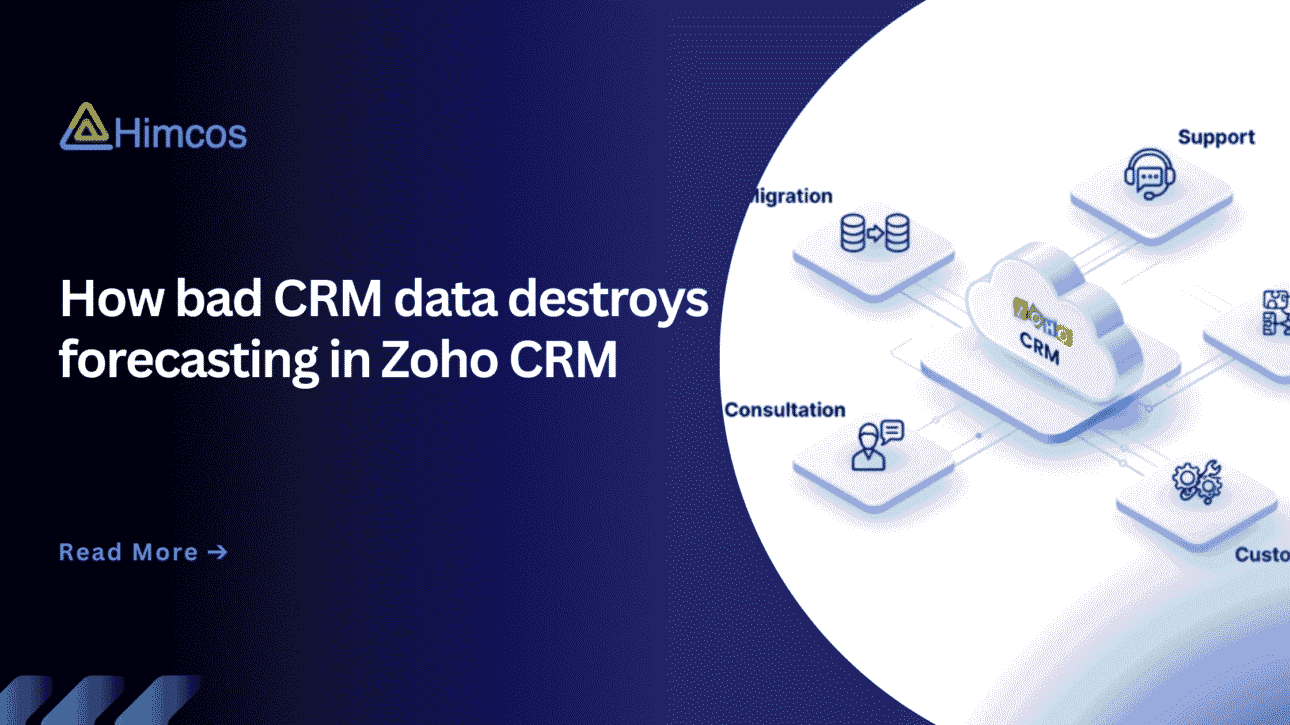
Sales forecasting in Zoho CRM depends on patterns formed through consistent deal activity. Systems analyze stage movement, deal velocity, probability shifts, and value changes to estimate future revenue.
However, when CRM data does not reflect real sales behavior, forecasts begin to drift. Numbers still appear accurate, but outcomes no longer match projections. At this stage,…
Launching Zoho CRM often feels like a major operational milestone. Pipelines become visible, dashboards start displaying sales activity, and automation workflows begin to operate across departments. Initially, the system appears stable. Teams log activities, opportunities move across stages, and leadership gains better visibility into sales performance. However, the period after implementation determines whether Zoho CRM…
AI in marketing automation now shapes campaign management, interaction analysis, plus path tracking across intricate buyer processes. Rather than depending only on fixed instructions, current platforms employ algorithms that learn from data, detect trends, then modify outreach strategies based on insights. What once required manual oversight now shifts dynamically through pattern recognition. Decisions emerge not…