


Synthetic media refers to content created or altered through artificial intelligence, including images, videos, audio and text that appear realistic. Brands adopt synthetic media to address high demands for consistent, varied output across channels while managing production timelines and budgets. This approach allows teams to generate large volumes of assets without proportional increases in resources. Businesses looking to implement these strategies can also book a consultation session here: https://calendly.com/anuj-himcos/30min.
Table of Contents
Synthetic Media Drives Efficient Content Scaling
Brands face pressure to deliver fresh material for social platforms, websites, emails and advertising. Traditional production methods involve lengthy shoots, editing sessions and approvals. Synthetic media streamlines these processes by enabling rapid asset creation from text prompts or existing data. Companies report significant output increases per campaign through AI systems that handle variations in visuals, languages and formats.
Organizations exploring scalable AI-powered content production can connect with experts through this contact form: https://himcos.com/contacts-simple/.
Personalized Visual Assets for Targeted Campaigns
One primary application involves the generation of customized images and short videos tailored to audience segments. Brands input product details, audience preferences and campaign themes into AI models to produce relevant visuals. This method supports thousands of unique versions from a single template.
Coca-Cola developed platforms where users and teams create custom advertisements featuring brand elements like icons and characters. The process produces billboards, social assets and promotional materials quickly. Marketers adjust elements such as backgrounds or messaging without new photography sessions.
Heinz ran a campaign with AI-generated ketchup-themed images prompted by simple descriptions. The output delivered varied visuals that aligned with the brand identity and spread across social channels and packaging concepts. Results included hundreds of millions of impressions from high engagement.
Nutella applied generative AI to design millions of unique jar labels. Each label featured distinct patterns derived from brand colors and styles. The limited-edition run sold out rapidly due to the individualized appeal.
This tactic scales content by shifting focus from manual design to prompt refinement and quality checks. Teams maintain brand consistency through trained models while exploring creative options at volume.
Companies that want to integrate similar AI workflows into their marketing operations can schedule a consultation here: https://calendly.com/anuj-himcos/30min.
Virtual Influencers and Synthetic Talent
Brands build or partner with AI-generated personas that serve as consistent representatives. These digital figures post content, interact with audiences, and appear in videos without scheduling constraints.
H&M created digital twins of real models for campaign imagery and social media. The clones allow rapid production of outfit presentations across global markets and seasonal collections. Updates to styles or settings occur through parameter changes rather than reshoots.
L’Oréal expanded use of digital twins and generative tools for hyper-personalized beauty content. The assets appear in e-commerce, social feeds, and influencer-style posts with adjustments for skin tones, lighting, and product variations.
Virgin Voyages combined real spokesperson footage with generative AI techniques to expand campaign reach. The hybrid approach produces additional scenes and variations efficiently.
Synthetic talent operates continuously across time zones and languages. Brands generate speaking videos, stories, and responses that match campaign calendars without talent availability issues.
Product Visualization and Customization Experiences
Automotive and consumer goods brands use synthetic media to show products in user-defined configurations. Customers visualize options in real environments or with custom features through AI-rendered outputs.
BMW implemented systems that generate realistic images and videos of vehicles with selected colors, wheels, and interiors. Showroom experiences and marketing materials draw from these dynamic renders instead of static catalogs.
Mattel employs AI to iterate Hot Wheels designs. Designers prompt the system for shape, color, and feature combinations, then select promising concepts for physical prototyping. The volume of ideas explored rises sharply compared to traditional sketching.
Furniture and fashion retailers produce contextual images of items in varied rooms or on different body types. This supports detailed product pages and advertising without extensive studio photography for every variant.
Businesses interested in deploying AI-generated product visualizations can reach out through this form: https://himcos.com/contacts-simple/.
Multilingual Voice and Video Localization
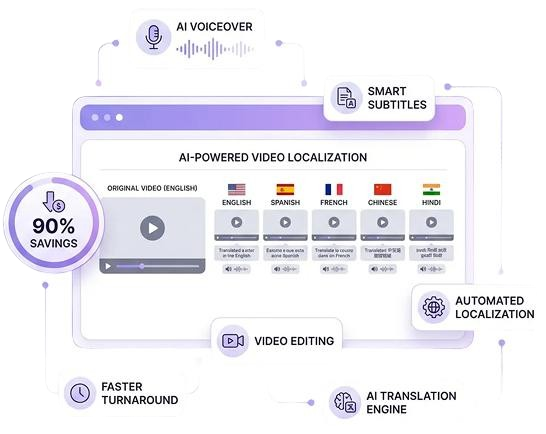
Synthetic voices and lip-synced videos enable brands to adapt content for international audiences. Audio tracks and on-screen performances generate in multiple languages from one master script.
Tools clone approved voices or create new ones that deliver narration with natural intonation. Video models adjust facial movements to match translated dialogue. Brands localize advertisements, tutorials and social videos without separate filming in each market.
Unilever and Nestlé teams use AI systems to expand campaign assets across regions. The approach maintains messaging tone while fitting cultural and linguistic nuances.
This method reduces dubbing costs and speeds market entry. Updates to core campaigns propagate quickly to all versions.
Resurrected or Hybrid Historical and Celebrity Content
Brands recreate performances or pair figures from different eras through deep synthesis techniques. These campaigns generate emotional connections while producing shareable video assets.
Volkswagen Brazil featured a duet with singer Elis Regina and her daughter in a commercial marking an anniversary. AI synthesized the historical performance alongside live elements for a compelling narrative.
Cadbury integrated generative elements into a Diwali promotion that combined cultural themes with promotional calls to action. The campaign drove both sales and local store visits.
Such content stands out in feeds and creates storytelling opportunities that traditional production rarely matches in speed or novelty. Teams planning similar AI-driven campaigns can book a strategy consultation here: https://calendly.com/anuj-himcos/30min.
High-Volume Social and Advertising Variations
Social platforms reward frequent posting with fresh angles. Synthetic media supports A/B testing at scale by generating headline images, short clips, and carousel assets in multiple styles.
Teams prompt systems for seasonal, event-driven, or trend-based versions of core campaigns. Output includes static posts, Reels-style videos and Stories formats from shared source material.
Kraft Heinz applied AI for geotarge3ted content that reflected local preferences and occasions. The volume of tailored assets increased without linear growth in creative staff.
P&G targets 50 percent AI-generated content in coming periods for brands like Tide and Gillette. Creative testing and media optimization benefit from rapid variant production.
Companies seeking guidance on scaling AI-generated advertising workflows can submit inquiries through this page: https://himcos.com/contacts-simple/.
Operational Shifts in Content Teams
Adoption of synthetic media changes workflows. Teams spend more time on strategy, prompt engineering and final approval rather than raw creation. Training data incorporates brand guidelines to reduce revisions. Oversight focuses on accuracy, legal compliance and performance metrics.
Integration with existing asset libraries allows repurposing of past campaigns into new formats. Video extension tools add scenes, while image models create companion graphics.
Measurement and Iteration
Brands track engagement, conversion, and production time savings. Metrics show faster campaign launches and higher testing throughput. Successful assets feed back into model fine tuning for improved future outputs.
Challenges remain around disclosure, authenticity perception and quality control. Companies develop guidelines for labeling synthetic content where required and maintain human review layers.
Future Scaling Potential
As models advance, synthetic media supports interactive experiences such as real-time generated videos based on user input. Brands explore dynamic advertising that adapts during delivery.
The six approaches personalized visuals, virtual talent, product renderings, localization, hybrid storytelling and social variations demonstrate practical applications. Synthetic media appears synthetic media in content strategies that prioritize volume and relevance. Brands that implement these methods produce more assets, reach broader audiences and respond to market shifts with agility.
