
Many firms launch a chatbot project with high expectations. Early demos appear impressive, support tickets move faster and leadership teams expect rapid operational progress. AI workflow automation After a few months, the entire initiative slows down. Expansion plans disappear, internal adoption weakens and automation remains limited to customer support windows or FAQ handling.
This pattern appears across finance, healthcare, retail, logistics, manufacturing and SaaS sectors. A large share of automation programs never move past basic conversational tools because the internal structure behind those projects lacks long term alignment.
Himcos approaches automation from a wider operational perspective. Instead of isolated chatbot deployment, Himcos builds integrated systems linked with workflows, analytics, internal platforms, approval chains, CRM layers, ERP environments and departmental operations. This approach creates measurable operational impact instead of surface level digital activity.
AI workflow automation often fails during the scaling stage because firms treat automation like a single software feature instead of a connected operational framework.
Leadership teams searching for long-term automation planning may schedule a strategic session here: https://calendly.com/anuj-himcos/30min.
Operational inquiries and implementation discussions remain available through: https://himcos.com/contacts-simple/
Table of Contents
Why Basic Chatbots Rarely Produce Enterprise-Level Impact
Basic chatbots solve narrow communication problems. They answer repetitive questions, collect lead information, and redirect visitors toward support teams. Those functions support efficiency at a surface level, yet enterprise scaling demands deeper operational integration.
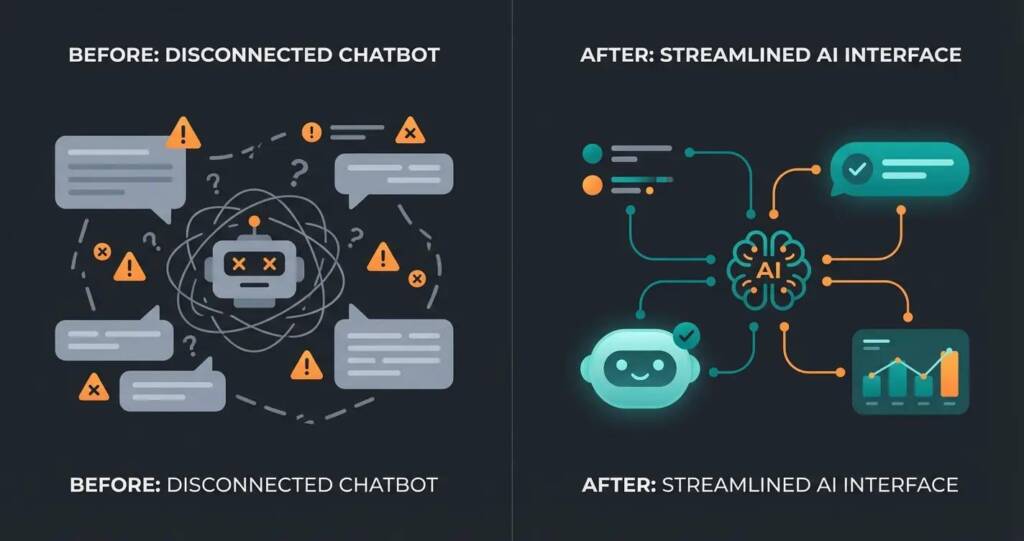
A fragmented automation structure creates major barriers:
Lack of Workflow Integration
Many chatbot deployments operate separately from internal systems. Customer conversations remain disconnected from inventory data, sales pipelines, finance records, delivery timelines and operational dashboards.
Without workflow connectivity, staff members still perform manual tasks after every chatbot interaction. Human intervention remains high, response delays continue and operational productivity stays limited.
Himcos develops automation ecosystems connected directly with operational infrastructure. This structure allows AI workflow automation to support decision making, task routing, reporting customer engagement and internal coordination across departments.
Poor Data Architecture
Automation quality depends heavily on structured information. Firms operating with fragmented spreadsheets, isolated databases, inconsistent reporting formats and disconnected software environments face major scaling limitations.
Many chatbot projects fail because data systems remain unprepared for enterprise zgrade automation.
Himcos begins AI workflow Automation projects with infrastructure evaluation, process mapping, data flow assessment and operational dependency analysis. This planning stage reduces future scaling delays and supports long-term automation maturity.
Short-Term Vendor Thinking
A large portion of automation vendors focus heavily on rapid deployment instead of operational durability. Marketing campaigns highlight interface quality, demo speed and launch timelines while ignoring governance structures, maintenance planning and workflow orchestration.
As operational complexity increases, weak architecture becomes visible. Internal teams struggle with maintenance, reporting gaps expand and automation accuracy declines.
AI workflow automation requires long-term operational planning instead of temporary deployment activity.
The Real Scaling Barrier Appears Inside Operations
Technology rarely becomes the primary failure point. Internal process design usually creates larger problems.
Many firms continue operating with outdated approval structures, disconnected departments, duplicated reporting layers and inconsistent documentation. Automation struggles inside those environments because process fragmentation transfers directly into digital systems.
Automation Without Process Mapping Creates Operational Confusion
Several firms attempt automation before documenting existing workflows. Teams automate unclear procedures, duplicate inefficiencies and expand operational disorder.
Himcos follows a structured implementation model based on operational visibility. Process mapping, dependency analysis, workflow hierarchy review and performance evaluation happen before deployment activity begins.
This strategy allows AI workflow automation to support measurable business outcomes instead of disconnected automation experiments.
Department Level Silos Block Expansion
Customer support teams often launch automation projects independently. Marketing departments adopt separate tools. Finance divisions maintain isolated systems. HR operations use unrelated platforms.
Disconnected automation layers create fragmented digital operations.
Enterprise-level automation requires cross functional coordination. Himcos develops centralized automation frameworks aligned with leadership goals, reporting structures, operational targets and departmental workflows.
Leadership Alignment Often Remains Weak
Automation scaling demands executive level clarity. Without leadership alignment, automation projects lose direction during expansion phases.
Budget allocation weakens, implementation ownership becomes unclear and operational accountability disappears.
Himcos supports executive planning through structured automation roadmaps focused on scalability, operational governance, performance tracking and measurable ROI.
Strategic consultation sessions remain available here: https://calendly.com/anuj-himcos/30min.
Direct operational inquiries remain available through: https://himcos.com/contacts-simple/
AI Workflow Automation Requires Multi-Layer Integration
Many automation discussions focus heavily on conversational AI. Enterprise automation involves far more than chatbot interaction.
High performing automation ecosystems include:
Workflow Orchestration
Task routing, escalation handling, approval sequencing, reporting distribution, ticket assignment and operational notifications require structured workflow management.
Himcos develops automation frameworks connected with enterprise operations instead of isolated communication layers.
CRM and ERP Connectivity
Customer records, financial information, inventory tracking, procurement activity and reporting systems must interact directly with automation logic.
Disconnected systems reduce automation value and create duplicated operational effort.
AI workflow automation produces stronger operational outcomes when CRM, ERP and workflow systems function within a unified structure.
Analytics and Monitoring Infrastructure
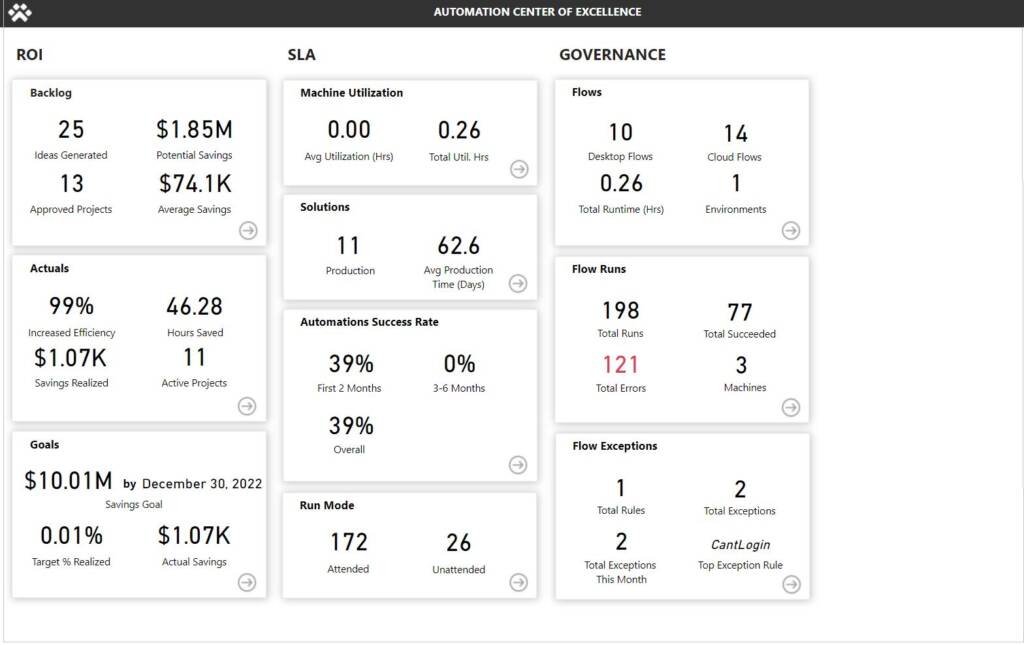
Automation projects often fail because leadership teams lack operational visibility after deployment.
Performance metrics, workflow bottlenecks, response quality, task completion speed and escalation trends require centralized monitoring.
Himcos builds analytics driven automation environments designed for operational transparency and long term optimization.
Security and Governance Layers
Automation scaling introduces access management concerns, compliance obligations, audit tracking requirements and governance responsibilities.
Several firms overlook governance planning during early deployment phases. Operational risk increases rapidly afterward.
Himcos integrates governance architecture directly into automation frameworks, supporting enterpriselevel operational stability.
Why Enterprise Automation Demands Strategic Planning
Many firms underestimate operational complexity during automation expansion.
A chatbot handling customer inquiries differs significantly from enterprise wide automation managing approvals, reporting, analytics, procurement, onboarding, support operations, compliance workflows and internal coordination.
Scaling Requires Process Standardization
Departments often follow inconsistent operating structures. Reporting formats differ across teams. Documentation quality varies. Workflow ownership remains unclear.
Automation expansion struggles inside inconsistent environments.
Himcos supports standardization initiatives before scaling automation infrastructure. This preparation stage strengthens deployment quality and improves operational continuity.
Change Management Shapes Adoption Rates
Staff resistance frequently slows automation progress. Teams fear workflow disruption, operational confusion or role instability.
Successful automation programs require structured onboarding, operational communication, leadership alignment and workflow education.
AI workflow automation performs effectively when internal adoption receives structured management.
Long-Term Maintenance Planning Matters
Several firms focus entirely on launch activity while ignoring optimization cycles, maintenance requirements, governance reviews and infrastructure updates.
Automation systems require continuous refinement. Operational environments evolve regularly through software changes, regulatory updates, customer expectations and market shifts.
Himcos provides long term automation support designed for operational continuity and performance improvement.
Common Automation Mistakes That Limit Growth
Enterprise automation projects fail repeatedly because similar operational mistakes appear across industries.
Treating Automation Like a Single Tool
Automation represents an operational framework, not a standalone application.
Many firms purchase chatbot software while ignoring workflow integration, analytics infrastructure, governance planning and operational mapping.
This narrow approach limits long-term scalability.
Ignoring Cross-Department Collaboration
Automation initiatives often remain trapped within individual departments.
Enterprise-level automation requires shared operational planning across support, finance, HR, logistics, compliance, sales and leadership divisions.
Himcos develops integrated operational frameworks designed for organization wide automation maturity.
Prioritizing Speed Over Architecture
Rapid deployment creates short term visibility yet introduces long term operational instability.
Weak architecture eventually produces reporting gaps, workflow duplication.
Final Thoughts
Many automation initiatives fail because firms limit digital transformation to basic chatbot deployment instead of building connected operational systems. Short-term automation projects often create isolated workflows, fragmented reporting structures and limited scalability. Enterprise growth depends on integrated automation frameworks connected with workflows, analytics, governance, CRM platforms, ERP systems and operational decision making. AI workflow automation produces measurable business impact when infrastructure, leadership alignment and operational strategy function together within a structured ecosystem. Himcos delivers enterprise focused automation solutions designed for scalability, operational efficiency, workflow orchestration and long term performance improvement across industries. From process evaluation to implementation and optimization, Himcos supports organizations seeking automation maturity beyond surface level conversational tools. Leadership teams planning scalable automation strategies may schedule a consultation here: https://calendly.com/anuj-himcos/30min Project discussions and implementation inquiries remain available through: https://himcos.com/contacts-simple/