
Launching Zoho CRM often feels like a major operational milestone. Pipelines become visible, dashboards start displaying sales activity, and automation workflows begin to operate across departments. Initially, the system appears stable. Teams log activities, opportunities move across stages, and leadership gains better visibility into sales performance. However, the period after implementation determines whether Zoho CRM becomes a reliable decision-making system or gradually loses accuracy.
Data drift rarely appears immediately after deployment. Instead, small inconsistencies accumulate over time. Field definitions change. Automations evolve independently. Integrations update at different speeds. Reports begin reflecting slightly different interpretations of the same data. When these changes occur without governance, the CRM slowly moves away from its original structure. Organizations that treat CRM implementation as a continuous operational system rather than a one-time deployment maintain much stronger data reliability.
If your CRM already shows signs of inconsistency, it’s often helpful to review the system with specialists. You can schedule a quick evaluation here: https://calendly.com/anuj-himcos/30min or reach out directly through the contact form: https://himcos.com/contacts-simple/
Table of Contents
Quick insight
- Data drift occurs when CRM data structure slowly changes after implementation.
- The most common causes include unclear ownership, excessive customization, weak integrations, and inconsistent data entry.
- Automation workflows and reporting systems can also drift without periodic audits.
- Structured governance and lifecycle oversight keep CRM systems reliable.
- Organizations working with specialists like Himcos maintain long-term CRM accuracy through continuous optimization.
What causes data drift in Zoho CRM systems?
Data drift occurs when CRM structures slowly change without coordinated oversight.
Within Zoho CRM, data accuracy depends on multiple interconnected components including data entry, automation workflows, integrations, reporting systems, and user behavior.
If even one of these layers changes independently, inconsistencies begin to appear. Over time, these small variations affect reporting accuracy and operational visibility.
Understanding the common causes of CRM drift helps organizations stabilize their systems early.
1. Undefined data ownership
Data ownership must be clearly defined for each core CRM module. Without clear ownership, different departments interpret CRM fields differently. Sales teams may adjust deal stages based on individual judgment, while marketing teams redefine lead classifications to match campaign performance metrics.
Finance departments might interpret revenue fields differently when analyzing forecasts. These variations gradually distort reporting insights.
Organizations that maintain strong CRM accuracy typically assign ownership for key modules such as:
- Leads
- Contacts
- Accounts
- Deals
- Activities
Within mature CRM environments, governance policies define how data should be created, modified, and reviewed. Companies working with Himcos often integrate these governance models directly into CRM lifecycle management so that data definitions remain consistent across departments.
2. Over-customization without structural alignment
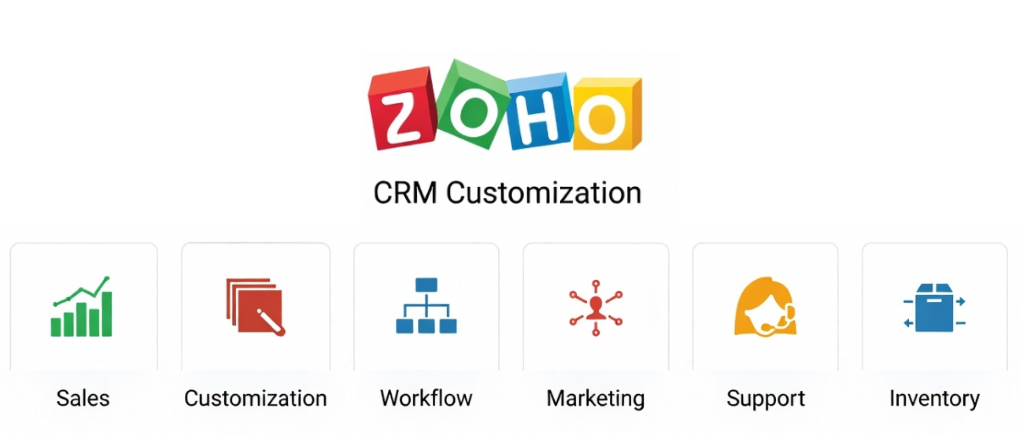
Customization is one of the major advantages of Zoho CRM. Businesses can create custom modules, fields, layouts, and workflows to match operational processes. However, excessive customization without a clear architectural plan creates structural confusion. Different departments sometimes add fields independently or build automation rules that duplicate existing workflows.
Over time, the system accumulates overlapping logic that becomes difficult to manage. Structured CRM architecture prevents this issue by ensuring that every customization aligns with long-term operational goals. When misalignment appears, system audits help remove duplicate elements, align automation logic, and restore structural clarity.
3. Fragmented integration logic
Modern organizations rarely operate with a single software platform. CRM systems typically connect with finance tools, support platforms, marketing automation systems, and analytics environments. While integrations improve operational visibility, poorly documented integration logic can cause data conflicts.
For example:
- Customer status fields may update differently across systems
- Contact records may duplicate during synchronization
- Updates may fail to sync between applications
When integration logic is unclear, CRM reports gradually lose accuracy. Strong CRM implementations document integration rules before deployment and define how data synchronization should occur between systems. Organizations that rely on the Zoho One ecosystem often benefit from centralized integration frameworks that reduce these risks.
4. Inconsistent data entry standards
Human behavior strongly influences CRM data quality. When users can freely enter data without structure, inconsistencies quickly appear. Sales teams may use different naming conventions for similar activities or record partial information during busy periods. These variations reduce the reliability of reports and analytics.
Structured CRM systems reduce this problem by prioritizing standardized input methods such as:
- dropdown selections instead of open text fields
- validation rules for critical data points
- required fields aligned with pipeline stages
Well-designed CRM implementations combine system rules with ongoing user training to maintain consistent data quality.
5. Automation layering without review cycles
Automation workflows improve efficiency within Zoho CRM by automatically assigning tasks, updating records, and triggering notifications. However, automation layers often accumulate over time. New workflows are added to support product launches, regional teams, or marketing campaigns. Without periodic review cycles, these automation layers may conflict with each other.
Common symptoms include:
- duplicate notifications
- conflicting field updates
- repeated task generation
Organizations prevent these issues by conducting scheduled automation audits that map how workflows interact across the CRM environment.
6. Neglecting periodic data hygiene audits
Even well-structured CRM systems accumulate outdated records. Inactive prospects may remain active in pipelines, duplicate records may appear across modules, and historical entries may distort reporting metrics. Without periodic data hygiene audits, these issues slowly degrade reporting accuracy.
Effective CRM governance introduces routine processes such as:
- duplicate detection workflows
- record lifecycle policies
- periodic database cleanup reviews
Organizations that integrate data hygiene into operational routines maintain stronger CRM reliability over time.
7. Misalignment between reporting and executive oversight
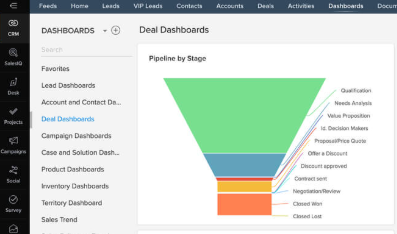
Different departments often design dashboards based on their own operational goals. Sales teams track deal progression, marketing teams analyze campaign engagement, and service teams measure support performance. When executive leadership attempts to consolidate these metrics, inconsistencies may appear if underlying field definitions differ.
Reliable executive reporting requires unified data definitions across departments. Strong CRM governance ensures that dashboards pull data from standardized fields aligned with organizational objectives.
Understanding data drift as a systemic issue
Data drift should not be interpreted as a technical failure. Instead, it reflects gradual misalignment between system design and real operational behavior. CRM systems evolve as businesses grow. New automation rules, integrations, and workflows continuously reshape the environment.
Without coordinated oversight, these incremental changes gradually distort the system’s structure. Organizations that treat CRM as a living operational platform rather than static software maintain stronger data integrity.
Lifecycle stabilization through structured oversight
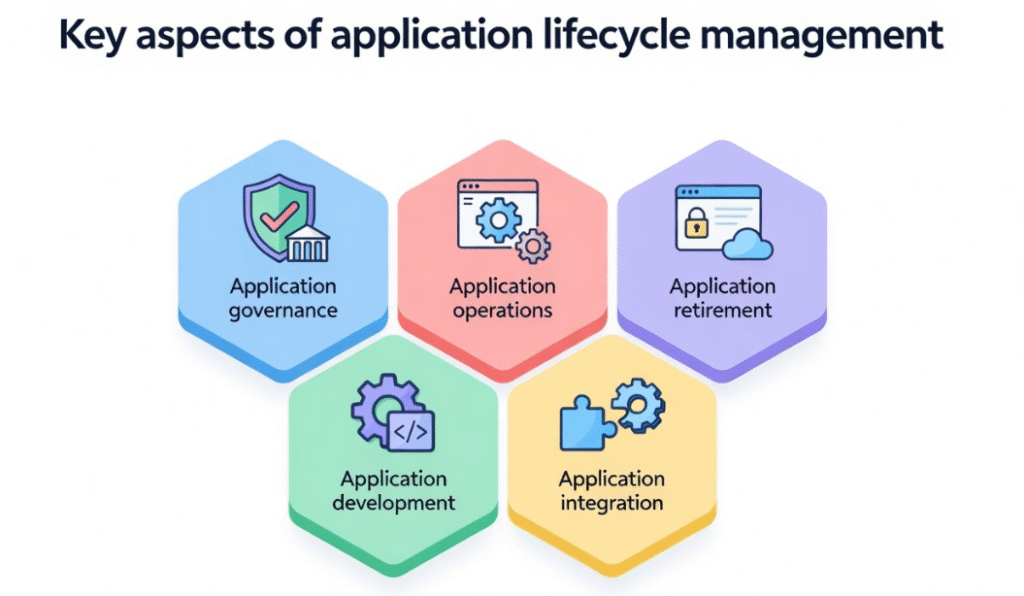
Post-implementation CRM optimization should follow structured evaluation cycles. Instead of addressing isolated problems, organizations should review the entire CRM architecture including modules, workflows, integrations, and reporting structures. This system-level perspective reveals patterns that individual troubleshooting often misses.
Specialists such as Himcos approach CRM stabilization through structured evaluation frameworks. These reviews examine how configuration layers interact, how workflows influence operational processes, and how reporting outputs align with business strategy. With each optimization cycle, system transparency improves and data accuracy stabilizes.
If you’re evaluating your CRM performance or planning an audit, you can book a consultation here: https://calendly.com/anuj-himcos/30min or submit your requirements via the contact page: https://himcos.com/contacts-simple/
How Himcos addresses Zoho CRM post-implementation drift
Post-implementation CRM issues rarely originate from a single problem. Instead, they emerge from interactions between multiple system components. Himcos addresses CRM drift by analyzing the entire operational architecture rather than focusing on isolated fixes.
Their evaluation frameworks review:
- CRM configuration structures
- automation workflow layers
- integration logic across systems
- reporting alignment with leadership metrics
- user interaction patterns within the platform
Within the Zoho One ecosystem, these reviews ensure that customer data, marketing activities, and financial records remain synchronized. Each optimization cycle strengthens system governance and prevents small inconsistencies from evolving into larger structural issues. Through continuous oversight, CRM environments remain stable even as organizations grow and operational complexity increases.
Key takeaways
- Data drift is a gradual misalignment that occurs after CRM implementation.
- The most common causes include unclear ownership, excessive customization, weak integrations, and inconsistent data entry.
- Automation layers and reporting structures require periodic audits.
- CRM systems should be governed as long-term operational platforms.
- Structured lifecycle oversight helps organizations maintain reliable insights and accurate forecasting.
When properly governed, Zoho CRM evolves from a simple customer database into a strategic decision-making platform supporting long-term business growth.