As organizations grow, the need for consistent execution of marketing operations through agency usage increases tremendously because marketing now requires scale, precision, and consistency in order for organizations to achieve growth. The speed at which marketing operations will have to operate and adapt to continue engaging all different channels of the same customer will be the key to remaining competitive. Marketing automation platforms close that gap between the speed of marketing operations and the speed of technology and strategy aligned.
Zoho Marketing Automation rank high as a solution amongst all marketing automation solutions available due to Zoho’s ecosystem-driven architecture, the flexibility Zoho provides to users in implementing that solution, and Zoho’s scalability for all types of businesses. From lead generation through long-term customer engagement, Zoho marketing automation provides the framework, tools and resources needed to help all organizations grow and optimize.
Table of Contents
Understanding marketing automation in a digital-first economy
Software tools designed for marketing handle tasks like planning and tracking campaigns through online spaces. With such systems, routine jobs once done by hand follow preset rules instead. This shift means team members spend less time carrying out actions step by step. Attention moves toward designing approaches, generating ideas, and reviewing outcomes. Performance checks and adjustments happen more smoothly when routines run automatically.
Today’s automation tools reach further than just emails. Beyond that, they handle lead evaluation, sorting customers into groups, sending messages based on actions, measuring what drives conversions, connecting with CRMs, and also analyzing customer stages. How smoothly these parts work together shapes how strong the platform performs. Unified design makes the difference noticeable. With Zoho marketing automation, tasks align smoothly due to integrated tools built around steady data flow, clear processes, still able to shift when needed.

Why Zoho aligns with modern marketing requirements
The preference for Zoho marketing automation emerges from its design philosophy. Rather than isolating them, they’re woven into everyday business tasks. Because of this setup, teams share information more smoothly. Data stays consistent, even when moving between different parts of the company.
Starting with one clear idea of keeping information in a single place. Zoho marketing automation builds systems that adapt as work grows. When teams juggle ads, emails, social media, and customer messages, scattered tools slow them down. Automation follows set routines, reducing manual steps without needing constant oversight. Structure matters most when complexity increases unexpectedly. How things connect often decides how smoothly they run.
Unified marketing ecosystem advantage
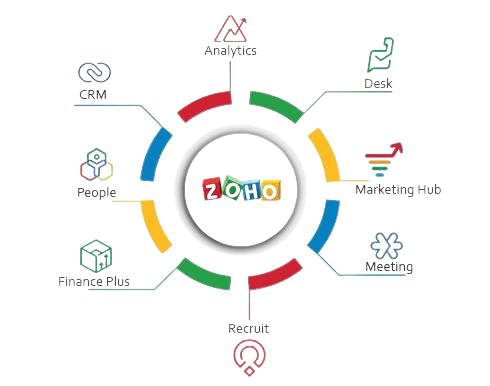
One of the strongest reasons to prefer Zoho marketing automation ties everything together. Marketing links directly to CRM, sales teams gain smoother handoffs, support gets real-time updates, finance syncs without extra steps, analytics adjust on their own – all inside one system.
With everything linked, information moves without breaks between teams, so mismatches from separate systems fade away. Customer details stay correct, sales updates feed in smoothly, while live behavior tracking sharpens marketing efforts. When organizations team up with service providers like Himcos, their daily work gains operational clarity thanks to well-organized Zoho setups. Out of this comes better-targeted campaigns, leads that fit more closely, yet tracking stays sharp at every stage.
Lead management with structured automation logic
Still tricky? Handling leads through marketing tasks. From first contact to sale, Zoho marketing automation system moves people along using set paths that run themselves.
When someone visits a page, fills out a form, or clicks an email, signals fire off behind the scenes. These cues prompt immediate follow-ups, tailored to what the person just did. Instead of guessing who might be interested, systems now sort contacts by actual behavior. High-potential leads get pushed faster toward sales. Others stay in rhythm with slower, steady touchpoints. Data flows in quietly, filling gaps without asking twice. Routing happens silently, sending each lead where it fits best. Starting with order brings better results when passing prospects along. Moving forward, clear steps help the team stay on track without confusion.
Multi-channel campaign orchestration
From emails to online ads, messages must align. Through one system, Zoho marketing automation manages outreach wherever it appears.
Understanding customer pathways becomes clearer for those designing campaigns, which supports steady messaging along with regulated contact rates. To avoid excessive outreach, automated systems step in – keeping brand exposure uniform over time. When organizations such as Himcos handle Zoho setups, their attention stays fixed on preserving structured coordination even as campaign collections grow larger.
Longer engagement approaches gain support through this orchestration function, instead of single-event rollouts being the focus. While planning unfolds over time, coordination becomes central to sustained efforts beyond one-off initiatives.
Data-driven segmentation and personalization
What works in marketing ties closely to how relevant it feels. With Zoho marketing automation tools, segments form through patterns in user actions, age groups, past interactions, along with where someone stands in their journey.
With each incoming data point, segmentation adjusts automatically, reshaping contact clusters over time. When conditions match established patterns, tailored content moves into place, shaped by the situation of the recipient. From tailored insights, interaction measures improve while lasting connections develop throughout client journeys
Scalable automation for growing organizations
With growth comes added layers of challenge. When companies grow, their marketing efforts need tools able to evolve without constant reorganization. Flexibility in structure allows smoother transitions with Zoho marketing automation adjusts incrementally, matching expansion pace. What remains steady is the ability to function without overhaul.
As audience numbers rise, so do automation capabilities. With growing campaign output comes broader functionality. Deeper data enables more refined operations. New tools join current setups seamlessly. Progress happens step by step. Major shifts are avoided through steady additions. System stability remains intact during upgrades. Few tools adapt as easily to small teams yet remain effective at large scale. Zoho handles both without change in approach. While startups grow, its structure supports expansion into complex workflows.
Analytics and performance visibility
Clarity shapes choices when evidence supports them. Within Zoho marketing automation, display results through dashboards designed for campaigns, showing how audiences respond alongside measures of outcome shifts in organized layouts.
What sets custom reports apart is their ability to show how well each communication path performs. One way teams gain insight involves examining results across operational sequences. Another factor lies in tracing returns to specific actions taken earlier. Seeing performance clearly leads to gradual adjustments over time instead of one-time assessments afterward. How often changes occur depends on feedback quality during execution phases. When analytics connect, decision paths gain clarity in marketing structures. Resource flow adjusts accordingly through informed oversight methods.

Compliance-ready and data-governed framework
When choosing platforms, what matters is how well rules match data handling needs. Security foundations at Zoho shape decisions, access limits adjust smoothly whether laws shift or sectors differ.
With consent handling built in, marketing automation manages opt-outs while safeguarding data access. Such systems enable responsible outreach that meets compliance needs quietly, behind routine operations. A structure attentive to rules lessens vulnerability without weakening outreach impact.
Customization without operational complexity
Zoho’s marketing automation relies on rule-driven setups instead of deep coding requirements. With these rules, teams adjust workflows using conditional actions whenever needed. Triggers respond when specific behaviors occur across channels. Scoring adapts based on engagement patterns over time. Minimal developer support is necessary during setup or changes.
This ability adjusts quickly when plans shift, seasons change, or markets move. Within defined limits, tailored changes function without disrupting core operations yet enable tested innovation.
Cost-efficiency across the automation lifecycle
When choosing a platform, function must align with expense. With Zoho marketing automation, full functionality comes without layered costs typical of scattered tools.
Efficiency in spending becomes possible when systems merge into one environment, cutting down on setup work along with ongoing support demands. Instead of managing complicated tools, funds typically meant for technology shift toward planning and creating material. From simplification, the room opens up elsewhere. This economic stability enables sustained use of automated systems instead of brief trial phases.
Marketing and sales alignment through shared data
When teams view data differently, cooperation tends to weaken. Through unified access via CRM links, Zoho marketing automation system supports clearer alignment across departments. From updated lead data to past interactions, sales receives continuous signals about client behavior. Meanwhile, results from campaigns inform marketing how well efforts move through the funnel.
Greater transparency among teams supports better coordination. Quality of conversions rises when information flows openly between units. Goals related to income become more consistent throughout divisions.
Adaptability across industries and use cases
Zoho marketing automation fits varied sectors by adjusting workflow settings. While some firms focus on business clients, others target individual buyers, each shapes automation to match how they connect. Service providers find it useful just as much as those selling physical goods, since rules shift based on interaction style. The system responds differently depending on organizational needs, allowing distinct approaches across fields.
When industries adjust easily, fewer custom tools are required. One system handles diverse marketing approaches effectively because flexibility enables broad functionality. Efficiency emerges where versatility replaces rigidity.
Long-term strategic value of Zoho marketing automation
What drives firms forward today is not just new tools, but how they are embedded into operations. Stability within Zoho’s platform allows systems to grow without disruption, while adjustments happen quietly behind the scenes. Feature updates emerge gradually, shaped by usage patterns rather than scheduled releases. Longevity here stems from design that anticipates change, not promises of transformation.
What stands out is how companies using Zoho marketing automation gain stability through continuous adaptation to shifting needs. A system that changes in step with operations tends to limit the need for disruptive overhauls later on. Fewer forced transitions mean fewer interruptions to daily workflows. This kind of flexibility often supports long-term planning without abrupt shifts.
Over time, steady strategy builds reliable branding. Trust grows when customers recognize familiar patterns. Marketing evolves quietly through repeated clarity. Long-term focus allows small decisions to align without force.

Zoho marketing automation in perspective
Choosing Zoho marketing automation shows focus on connected systems, room to grow, and clear processes. Because it works as one unified environment, marketing actions fit smoothly within larger company aims. This setup supports steady expansion through decisions based on evidence. When firms like Himcos assist, the system performs better due to precise matching of tools to specific targets.
Starting with how leads are handled, moving through tailored messaging, insight gathering, and meeting regulatory standards, Zoho’s system covers core needs without excess. What stands out is its fit for different sectors and company sizes, growing alongside changing goals. Built to last, it functions quietly beneath campaigns, enabling consistency over time. With shifts in how marketing operates, Zoho provides a method built on alignment with organizational goals. Progress unfolds steadily under frameworks designed for long-term results. Measurable outcomes emerge through consistent application of integrated tools. Direction remains clear even as methods adapt over time.