


What keeps hospitals running often hides in plain sight – paperwork piling up with every patient visit. Though invisible to many, recording each detail eats into hours meant for actual care. A tool named Clinical Notes AI steps into this gap, not as magic but as method. Leaders in clinics now watch it closely, hoping numbers stabilize while doctors regain focus. Instead of chasing compliance, they aim to sync records with how medicine is really practiced today. Behind quiet screens, change takes shape – not loud, just steady.
A fresh kind of system steps into clinics – not just typing words but shaping how care records grow. Built on smart algorithms that learn language patterns, it helps doctors write notes faster. This isn’t only about speed – it quietly shifts how hospitals assign staff and plan ahead. Instead of sitting at the edge, it’s woven into decisions about tech upgrades and future health networks. Tools like these don’t shout; they settle into the background, changing routines without fanfare.
Table of Contents
The Expanding documentation burden in modern healthcare
More details needed in medical records now than before. Rules, payment systems, performance checks, yet legal concerns push doctors to write more precisely. Many providers fill out forms most of the day, sometimes long after shifts end. Too much paperwork wears people down, saps morale, drives some away.
Not just another tool, Clinical Notes AI tackles slow paperwork that many in healthcare now see as a deeper problem. Speeding up notes happens alongside better organization of patient details, thanks to its design. One thing becomes clear: smoother days in clinics often start with consistent records. With more teams using it, the tech quietly weaves into daily workflows – less hassle, fewer delays. What began as a helper is now part of how care stays on track.
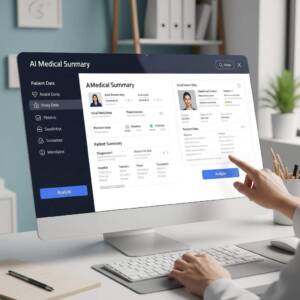
Documentation complexity and financial impact
Documentation inefficiencies affect more than clinician morale.Messy records slow down invoicing, mess up insurance claims, leave room for audit trouble. Mistakes when writing patient details mean money slips away, claims get rejected, payments take longer than expected. Leaders see these problems show up clearly in lost dollars.
Clinical Notes AI supports consistent documentation quality, improving coding alignment and audit readiness. Healthcare organizations leveraging Clinical Notes AI report greater visibility into documentation workflows, supporting financial predictability and improved operational governance.
Clinical notes AI and workforce sustainability
What keeps healthcare leaders up at night? Staffing gaps that won’t close, for one. People leaving faster than they can be replaced – this shakes the foundation of daily operations. Paperwork piles high, day after day. That mountain of forms and notes pulls clinicians away from patients. Energy drains where it should flow toward care. Too much admin weight lands on already tired shoulders. Stability wavers when teams feel stretched too thin.
What happens when less time goes to paperwork? Clinicians find more room for patients. Focus shifts naturally to care, not typing. Decisions get made face to face, not inside forms. Work feels lighter, somehow steadier. Fewer people burn out. Leaders notice – quiet changes often matter most.
Addressing burnout through technology strategy
Fatigue at work can harm performance, image, and budgets. More hospital managers now act early to support medical staff well-being. Behind Clinical Notes AI lies a push to ease workload – one key reason doctors feel drained. Though small, it fits into wider efforts to keep teams healthier.
By aligning documentation processes with natural clinical conversations, Clinical Notes AI supports more balanced work patterns. Leadership teams view Clinical Notes AI adoption as a structural response to burnout rather than a temporary relief measure.
Data accuracy and clinical intelligence
When doctors write things down clearly, it helps keep patients safe, lets teams work better together, leaves a clearer trail for future visits, supports broader health tracking over time. If notes are messy or scattered, useful patterns stay hidden, making analysis harder than it needs to be. What changes here is how consistently details get recorded – one visit after another, clinic after clinic, shaped into uniform format through smart tools built into the flow.
Now more than ever, those in charge of health systems lean on solid data to guide choices. With sharper records, Clinical Notes AI strengthens how insights are drawn, helps refine care standards, yet also feeds long-term direction. When providers shift toward payment tied to outcomes, clear and trustworthy notes matter even more. Though often overlooked, accurate recordkeeping quietly shapes better results.
Supporting long-term analytics and reporting
Fresh details in patient records start with consistent entries – this tool helps teams avoid scattered phrasing while shaping clearer documentation. When notes follow uniform patterns, sorting risks or tracking community wellness becomes less prone to error. Clearer terms mean fewer mismatches across reports, which feeds more reliable analysis down the line.
Leadership teams leverage insights derived from Clinical Notes AI-supported documentation to guide investment decisions, service line development, and care model optimization. This strategic value extends beyond documentation efficiency into broader organizational intelligence.
Regulatory alignment and risk management
Policies shift often, so keeping records up to date matters more than ever. When paperwork falls behind, trouble follows – fines show up, trust fades, scrutiny grows. Staying aligned means fewer surprises down the road.
What keeps some clinics on track? Tools like Clinical Notes AI help fill gaps in records while keeping pace with rules. Not every tech fits smoothly, yet this one tends to blend into routines, reducing missteps tied to compliance. Staff do not need to work harder; instead, their notes improve quietly alongside daily tasks. Leaders notice fewer hiccups when audits come around. For many teams, it simply makes standard care processes less fragile.
Audit readiness and documentation transparency
Most times, getting ready for an audit means going over patient records by hand, fixing mistakes after the fact. As soon as a note is written, smart tools help get it right on the first try. This lessens how often changes must be made later. Instead of waiting, corrections happen while things unfold.
What stands out is how leadership sees Clinical Notes AI bringing clearer insight into day-to-day medical workflows, making audits smoother while easing outside evaluations. Because of this forward-looking move, companies adapt better when rules tighten around healthcare practices.
Integration into digital health strategies
Still high on every hospital leader’s mind, digital health keeps moving forward. Not just standalone tools, electronic records now link up with virtual visits and at-home tracking devices. What ties it together? Better note-taking powered by smart software. Inside these connected systems, one tool sharpens how doctors record care – automating updates without losing meaning.
What stands out is how Clinical Notes AI fits into larger tech efforts instead of working alone. More often now, hospital administrators are weaving it into their future plans, tying it to needs like system compatibility and room to grow.
Supporting hybrid and virtual care models
The expansion of virtual care introduces new documentation challenges. Remote consultations require precise and timely clinical notes that align with both in-person and digital workflows. Clinical Notes AI supports consistent documentation across care modalities.
Leadership teams adopting hybrid care models recognize Clinical Notes AI as a stabilizing force that maintains documentation quality regardless of care setting. This consistency supports patient continuity and operational efficiency.
Financial stewardship and operational efficiency
Money is always tight in healthcare settings. When tech gets considered, leaders look hard at what it returns, how far it stretches, then weighs its staying power. A system like Clinical Notes AI fits because it cuts down busywork, helps bills go through right the first time, frees up staff where they’re needed most.
From an executive perspective, Clinical Notes AI contributes to sustainable cost management. Reduced reliance on manual documentation support roles and improved clinician productivity strengthen financial stewardship.
Aligning technology investment with outcomes
Healthcare leaders increasingly demand measurable outcomes from digital investments. Clinical Notes AI delivers value through improved documentation turnaround times, reduced error rates, and enhanced clinician satisfaction.
These outcomes align with broader organizational objectives related to quality, efficiency, and workforce stability. Clinical Notes AI adoption reflects a disciplined approach to technology investment grounded in operational impact.
Competitive positioning and organizational reputation
Now more than ever, those in charge of healthcare want proof that digital tools actually work. What stands out about Clinical Notes AI is how quickly it gets documents ready. Mistakes happen less often when this system steps in. Doctors and nurses feel better about their workflow too.
Outcomes like these fit within larger goals around consistency, speed, working well together. Using AI for clinical notes shows careful choices on tech that actually changes how work gets done.
Attracting talent and partnerships
Healthcare professionals increasingly assess workplace technology when choosing employers. Organizations leveraging Clinical Notes AI signal a commitment to modern clinical practice and staff support.
Similarly, strategic partnerships with payers, research institutions, and technology vendors benefit from reliable documentation infrastructures. Clinical Notes AI strengthens organizational credibility in collaborative environments.
Future outlook for clinical notes AI
Fresh waves of progress in how machines grasp human speech are reshaping medical note-taking. As systems learn to track meaning across conversations, their grip on patient details grows sharper. Tools now adapt faster to doctor workflows because they pull insights from vast health records. With each update, these aids fit more smoothly into daily rounds. Progress doesn’t stop – every leap in comprehension tightens the bond between data and care.
Down the line, hospitals expect Clinical Notes AI to shape how risks are forecasted, choices get made at bedside, and care standards evolve. Step by step, it’s becoming central when mapping out what modern medical infrastructure should include.
Leadership perspective on long-term value
Looking at it through a leader’s eyes, Clinical Notes AI works like a long-term investment, not just a quick fix. It touches staffing decisions because changes ripple into how teams operate. Money outcomes shift since accuracy improves over time. Rules get easier to follow when documentation stays consistent. Even the way data flows across systems begins to align differently.
When hospitals face tangled demands, new tools built around clinical notes step forward quietly. Leaders see clearly now – how well records are kept shapes almost everything care involves. What gets written down holds weight in how treatment moves.

What’s more
Right where patient care meets smooth operations and solid finances, you’ll find clinical records. Built to help craft precise, on-time, uniform notes, Clinical Notes AI steps into that space. Leaders across healthcare are turning attention to this tool – not because it’s new, but because it fits big-picture aims. Its reach inside organizations makes it hard to overlook.
Facing new rules, staff shortages, and tech shifts, hospitals find steady support in Clinical Notes AI. Though change pushes hard, this tool holds its place where care must keep going without breaking down.
