Growing a business is thrilling, but it quickly gets chaotic. These initial challenges highlight over time the benefits of Zoho One, particularly for companies transitioning from compact groups to organized workflows. Teams grow, workloads accumulate, data ends up in 10 different places and people use various tools. App slows to a crawl, makes mistakes, and people lose hours trying to figure out what is happening.
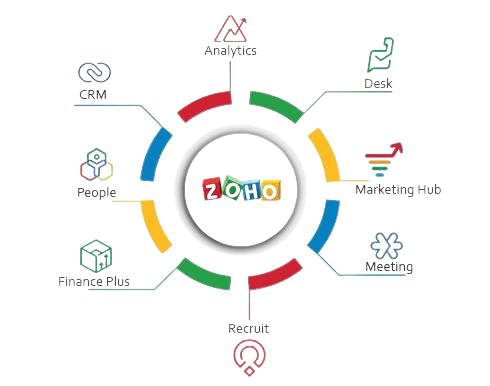
Zoho One is a suite that modifies the way businesses operate, with more than 45 applications on offer for sales and marketing automation, finance, customer support and assistance, HR, process management and productivity plus team collaboration all provided in a single flowing system. Instead of using a half dozen different applications, companies receive everything integrated from the start. Growing teams feel the difference fast when they swap out messy setups for this all in one solution. With Himcos lead building structure, parts are ready to roll (without issue) come launch day.
Table of Contents
Why Zoho One works best for growing businesses
Complex tasks tend to hinder progress if teams use different tools. Combining everything into a single platform improves transparency while cutting repetitive work through smoother data sharing between units. Some companies notice better performance using Zoho One, since linked processes minimise hold ups, repeated efforts, because communication gaps shrink across sections. These early challenges clearly show the long term benefits of Zoho One, especially for businesses moving from small teams to structured operations.
1. Centralised communication and collaboration
This stands out as a key benefit of Zoho, highlighting the broader benefits of Zoho One for rapidly expanding businesses where messaging spreads thin. As teams grow, conversations scatter into WhatsApp chats, Slack threads, emails, or file notes without structure. Context fades, choices vanish unnoticed; much time goes to tracking down “What’s next?”
All conversations live in one place
Zoho One gathers emails, chat logs, task updates, client conversations, and meeting summaries and then linking them directly to the correct deal, project, or support case. When someone joins the team, they review everything fast without flooding others with follow-up queries. This consolidation is one of the most visible benefits of Zoho One for fast-growing teams.
Real-time collaboration without version chaos
Several users work on one document together. As changes happen, each person sees them right away comments remain linked permanently while versions are saved without effort. Say goodbye to confusing filenames like Final_Final_v2_ActuallyFinal.docx.
Searchable history that saves hours every week
Each note, decision, document, email thread, or comment stays indexed across the platform, tied directly to its matching deal, project, or client. This searchable system highlights the benefits of Zoho One, saving hours by making all past interactions easy to locate. If someone asks about prior pricing talks, sign-offs, or adjustments, the response shows up right away with one search rather than scrolling through messages or emails. With clear access like this, teams skip repeating discussions, prevent mix-ups from earlier commitments, move decisions quicker even as workloads expand and more people join in.
2. Smooth workflows for growing teams
The largest unseen expense in expanding companies is hours lost transferring tasks between teams. When sales secures an agreement, info often reaches operations late; once it does, they reach out to finance for invoicing yet finance can’t act without sign off, leaving clients unbilled even after twenty one days.
Automatic task transfers without errors
Once a salesperson labels a deal “Won,” the platform automatically sets up the project in Zoho Projects. Following that, it forwards the agreement for digital signing. At the same time, the initial invoice gets produced. Meanwhile, the team responsible for execution receives an alert zero manual steps needed. Automatic task transfers are a clear benefits of Zoho One, ensuring tasks flow correctly without manual effort.
Real-time dashboards that replace endless status meetings
Leaders skip weekly update meetings where people just share spreadsheets. They use one dashboard showing real-time data instead. Pipeline value appears instantly, along with current support ticket counts. Cash levels in the bank refresh every minute. Project progress shows as a live percentage. Marketing results are visible through up to date ROI figures. Attendance records update automatically without delay.
Consistent processes even with rapid hiring
Every procedure uses automated checklists, required entries, because clear verification rules direct activities from beginning to end. When newcomers arrive, assignments mirror the format assumptions use, cutting differences due to personal routines or . Mandatory sections prevent incomplete actions, whereas guided tracking keeps workflow steady among groups. Such a system enables reliable performance amid fast recruitment, keeping everyday functions stable, orderly, yet in line with set company norms.
3. Sales growth benefits of Zoho One for forecasting and pipeline accuracy
Rising sales tracked via spreadsheets or informal notes usually lead to blind spots in the process. Missed follow-ups occur quietly, deal phases become unreliable, information drifts out of date, distorting predictions. Gradually, this causes unplanned income drops, weaker trust in estimates, plus delayed reactions when customers show real interest. These challenges highlight the practical benefits of Zoho One, showing how integrated tools provide clear visibility into sales pipelines and reduce errors in forecasting.

Every lead gets immediate attention
Web forms, chat messages, trade-show scans enter Zoho CRM instantly, routed by region, item type, or task load, often in less than half a minute. Urgent prospects don’t linger unread for days. Using Zoho One, Himcos sets up automated lead distribution, smoother workflows, faster deal closures tailored to expanding companies. Automated lead distribution is a direct benefit of Zoho One, ensuring each opportunity is captured and routed quickly without manual delays.
Crystal-clear pipelines that everyone trusts
Deals progress through clearly defined stages, each guided by specific actions, planned check-ins, and likelihood scores updated automatically when activity happens. When contact takes place, predictions renew themselves, showing true sales status instead of guesses. This setup swaps vague spreadsheets for better insight into upcoming, medium range, and future income targets; allowing planning decisions to rely on current performance patterns instead of subjective estimates or outdated deal statuses. Having a single, reliable pipeline demonstrates another benefits of Zoho One, giving managers confidence in forecasts and reducing guesswork for revenue projections.
Complete customer history
Before every conversation, sales reps see a full summary i.e. past purchases, support tickets, emails, one-on-one touches, all tied to the customer file. Because everyone pulls from the same data, there’s no need to ask what already happened. Talks come across as thoughtful, grounded in real history instead of assumptions. As patterns build up, trust grows; suggestions arise naturally rather than feeling forced. With clear background available at all times, handoffs between teams stay smooth, focused, aligned.
These sales improvements represent some of the most measurable benefits of Zoho One for revenue-focused teams.
4. Customer service that improves as the company grows
When businesses grow, their support units face more customer messages and service needs. Fast scaling usually means bringing in extra people; however, finding qualified workers isn’t quick training them slows things further. If there’s no clear process, replies might become less reliable or uneven when workloads rise. Using streamlined procedures alongside integrated tools helps teams handle heavier loads efficiently, keep quality steady, plus answer users faster – even amid sharp growth – easing strain across employees and customers alike.
One unified queue for every channel
Using either digital or physical access points, emails, live chats, or social media messages each comes into a single ticket system. Phone calls plus WhatsApp requests appear there too. One screen shows all incoming items. Staff respond without confusion across platforms. Answers stay consistent no matter how clients reach out. Improving response quality without increasing headcount is one of the practical benefits of Zoho One.
Complete context for every interaction
The instant a support request comes in, staff see the client’s complete profile past orders, prior problems, current contracts, along with remarks from past chats. Because everyone works from the same info, customers don’t have to repeat themselves, cutting down confusion during calls or messages. Replies are informed by what happened before, not just scattered facts. When exchanges feel connected and thoughtful, solutions come faster and more get resolved right away. People sense fewer hiccups and steadier service, slowly building trust naturally, while teams avoid extra strain.
Self-service and proactive fixes
Support data shows repeated queries plus typical problems seen in various channels. Because of this, teams build organized help documents along with self-running chat replies aimed at regular user needs. A number of simple issues get fixed on their own, no ticket needed which lowers request numbers. Early fixes tackle underlying reasons instead of just surface signs, cutting down repeat confusion. The method mixes speed and clear communication, freeing up agents for tougher tasks while users enjoy quicker solutions and rely less on real-time support.
5. Real-time finance: Key benefits of Zoho One for better cash visibility
Correct financial tracking in real time stands out as a key benefits of Zoho One, supporting expanding companies by reducing unexpected shortfalls while improving reporting speed. Outdated invoicing methods combined with late expense updates plus fragmented tools often lead to budget gaps and pressure at closing periods.

One ledger that updates itself
Financial records update instantly when income is finalized, funds get approved, or payrolls are processed. Because updates happen in real time, there’s no need for handchecking totals this cuts lag from transaction to report. Month-end procedures wrap up quicker since balances match finished work. Daily operations tie directly into accounting data, which makes outputs more reliable. With fewer errors popping up, finance staff shift focus from fixes to analyzing patterns, so insights stay current with live company results.
Daily visibility into cash and profitability
Financial dashboards show live updates on income, costs, unpaid bills, also profit per product or client group. Clear views help daily choices using now data instead of old records. Staff hiring, price changes, budget approvals depend on up-to-date cash flow numbers. Cutting lag from action to awareness lets managers keep closer watch on profits and funds available, limiting shocks while aiding consistent forecasting during expansion.
Automatic invoicing and payment tracking
Recurring invoices generates on time, no hands-on work needed, payment updates show right away once activity happens. When payments run late, warnings pop up by themselves, so next steps can start faster. Money received online appears straightaway in client files, cutting down bookkeeping tasks. Steady timing like this speeds up collections and makes income easier to anticipate. Because billing gaps shrink, finance staff get better projections plus spend less hours chasing unpaid items or fixing wrong entries.
6. Analytics for decisions
Operational information becomes more meaningful when analyzed together instead of separately. Sales, marketing, support, finance, and project results link into one clear overview enabling better choices rooted in real actions. Trends appear sooner thanks to this wider lens, allowing managers to act early. Understanding goes further than summaries; it shapes plans, shifts budgets, or adjusts workflows according to what actually happens.
Data-driven leadership as a strategic benefits of Zoho One
Key indicators like sales goals, campaign outcomes, response times in support, also project earnings show up on common dashboards. Seeing these numbers next to each other reveals how certain actions connect to particular results. Certain marketing channels might relate to clients needing less help or spending more over time. Clear access helps teams focus better efforts while guiding funding choices with real data. Leaders start relying more on facts during talks – this strengthens the match between expansion aims and daily operations.
Live charts that update by the minute
Visual dashboards update nonstop when fresh data arrives. As revenue shifts or service trends change, updates show up instantly, no need to wait for fixed reports. If repeat sales drop or returns climb, these signs pop up right away. Teams can look into problems early, before they grow. With insights coming quickly after events, companies act sooner on new developments. Faster feedback means smaller setbacks and fewer overlooked chances.
Predictive insights that get smarter over time
Historical data works alongside live updates to shape predictions in sales, stock control, and team scheduling. When fresh details come in, estimates shift accordingly showing current realities instead of rigid guesses. Revenue outlooks, hiring requirements, or supply amounts get sharper each cycle as trends reappear. With passing weeks, projections match results more accurately, aiding future decisions with increased reliability. By constantly updating insights, companies adapt faster to changes without depending solely on outdated forecasts.
7. Collaboration tools that keep remote and office teams in sync
Hybrid models combining office-based staff, remote satffs, and freelancers this creates shifting coordination demands, highlighting the benefits of Zoho One in keeping all teams connected and aligned despite changing setups. As interaction habits shift, duties may blur, with blind spots emerging between sites. When no common workspace exists, information spreads thin across platforms, and schedules lose sync. A single platform for teamwork adds clarity amid constant changes, helping members remain connected even when far apart. Tasks move forward with consistent background knowledge, easing strain from separation while enabling smooth cooperation as team formats adapt gradually.
Single home for every file and discussion
All business files including spreadsheets, presentations, design materials, or contracts are kept in Zoho WorkDrive as one central hub. Each file connects straight to its project or chat, so there’s no mix-up from random email attachments. Permissions adjust by user role without manual setup; meanwhile, version history logs each update. With this system, lost documents drop sharply, repeated copies shrink, and discussion trails stay intact, letting teams work together smoothly instead of hunting through emails or separate drives.
Shared calendars and project plans everyone sees
Shared calendars and project plans show another benefit of Zoho One, keeping schedules and updates visible to the whole team while preventing outdated copies from circulating. Files like documents, spreadsheets, or presentations stay in Zoho WorkDrive. Access settings update themselves, changes get recorded, while email clutter stays out. Each file remains secure, edits are saved automatically, so nothing disappears. Sharing happens smoothly and no more outdated copies floating around.
Onboarding that takes days instead of weeks
New staff get quick entry to key tasks, documents, conversations, or past data linked to their position. Looking at old choices or finished efforts gives background prior to jumping in. This method cuts down orientation time by limiting constant queries to coworkers. Seeing current activities clearly allows quicker involvement and stronger assurance. Since groups function in different places, organized setup keeps workflows steady while aiding smooth inclusion when hiring often.
8. Automation that saves hundreds of hours a month
When operations grow, repeated steps spread through teams, raising hands on work plus slowing approvals. Tasks like checking progress, sending updates, or alerting staff take up key time during the day. Systems that respond automatically to set events cut down reliance on personal nudges. Automating repetitive tasks demonstrates one of the practical benefits of Zoho One, reducing manual work while keeping operations moving efficiently across expanding teams. With standard actions managed reliably, stress across units drops noticeably. Hours once used for organizing can now go into more meaningful work, helping expansion continue smoothly, no extra admin needed.
Time savings as recurring benefits of Zoho One automation
When certain events happen like a contract update, late ticket, or budget limit exceeded, workflows start automatically. Once triggered, they carry out set tasks across linked tools without someone needing to step in. Alerts go out, jobs get assigned, and entries are adjusted following clear rules each time. With this steady process, skipped actions slow things down less often, helping teams stay on track. As days pass, these small gains add up, cutting hours lost in routine work.
Less admin, more strategy
As groups get larger, office duties slowly take up more space, pulling energy from strategy and upgrades. Because of tech tools, less hours go toward sign-offs, typing info, chasing updates, or sharing stats inside the company. Tasks keep going without constant check-ins between people. When daily chores cause fewer breaks, workers can turn their attention to customer interaction, better delivery, also future goals. That change allows wiser choices while keeping work steady even as teams add members.
Processes that stay perfect at any scale
Automation treats each transaction alike no matter how many with fixed logic. Rules guide actions instead of habits or recollection. When demand rises, results stay steady since variation is minimized. The initial setup handles growth without structural changes. Consistency enables scaling; teams manage more work accurately. Clear processes ensure responsibility stays visible throughout operations.
9. Better security and control
When companies grow, more users and larger amounts of private data raise the chance of mistakes inside and threats from outside. If access isn’t clearly limited, details get shared too freely leading to mix-ups and added risk. As groups, divisions, and data systems expand, a solid security setup matters even more. This highlights the benefits of Zoho One, as its security features reduce risk, track activity, and maintain control over critical data. Proper supervision keeps confidence across workflows and aids consistent progress. Rather than blocking tasks, smart rules keep everyday activities running without interruption, while critical data stays under control, trackable, and in line with company policies.
Granular permissions that make sense
Access rights depend on roles and responsibilities, showing practical benefits of Zoho One by keeping sensitive data visible only to the appropriate teams meaning people see just what they need each day. Since sales deal with deals and forecasts, finance checks invoices and transactions, whereas HR manages worker files. As soon as someone starts, access is set fast using standard roles instead of custom setups. That way, extra risks stay low, errors drop, systems run smoothly, plus workflows move forward without holdups or mix-ups.
Full audit trails for peace of mind
Every system task gets recorded thoroughly – logins, file access, pricing updates, authorizations, or modifications. Each log notes precisely what happened, when it occurred, together with the person responsible, building an accurate timeline. When audits occur, inspections take less effort due to clarity on who did what. Uncertainty about accountability fades as evidence is readily available. Supervisors feel more assured assessing workflows because data supports decisions instead of guesses. Meeting regulatory standards grows simpler thanks to trustworthy logs showing real actions across systems.

Enterprise-grade protection without extra cost
Daily backups ensure data is protected. This reflects more benefits of Zoho One, safeguarding information while supporting company growth without extra costsEncryption during transfer or storage adds another layer of security. Two step verification helps block unauthorized access. Worldwide server locations support scalability. As the team expands from 50 to 500, then to 5,000 systems remain reliable.
10. Easier and faster employee onboarding &HR management
A business expanding quickly may hire every week. However, many such companies still use lengthy emails, physical documents, scattered files online, plus a two week observation phase that delays productivity. Quicker integration of staff, along with lighter admin tasks for HR, are underappreciated benefits of Zoho One particularly when hiring grows rapidly.
Everything a new hire needs lives in one place from day one
Once someone says yes to the job, Zoho People activates part of Zoho One and triggers automatic actions right away. The system sets up their profile straightaway; then, a custom greeting message plus signed contract get delivered without delay. With a single tap, IT prepares the device, login details, and permissions across tools they’ll need. Right after, the newcomer accesses an organized start-up hub containing policies, legal documents, payroll info, gear sign ups, plus learning clips tailored to them.
Self-service portal that saves HR hundreds of hours
A single online portal lets employees handle standard tasks themselves like requesting time off, viewing payslips, updating info, submitting expenses, or asking for files. This self service portal reflects a practical benefits of Zoho One, allowing employees to complete routine tasks independently while reducing HR’s workload significantly. These actions no longer rely on informal messages or repeated follow-ups. Approvals move through predefined flows, allowing managers to respond quickly from mobile devices. With less hand managed work and fewer disruptions, admin duties shrink noticeably. This frees up HR to prioritize team development, involvement efforts, along with strategic personnel management.
Performance reviews, goals, and training stay connected
Performance management works by linking goals directly to daily tasks and learning efforts. Linking goals, training, and performance shows an addition to benefits of Zoho One, keeping career development aligned with work responsibilities and streamlining evaluations Every quarter, targets guide specific assignments, showing clear progress during reviews. If duties change, Zoho Learn triggers suitable training without waiting. Evaluations use balanced tools like peer input and grid-based ratings. Defined steps for approvals help manage role shifts or career moves smoothly. This keeps operations transparent when teams grow or adapt.
Impact of one connected platform
The greatest benefits of Zoho One emerge once a whole company uses a single integrated platform. Because sales understands daily feedback from support, marketing and are able to track actual long term customer worth. As soon as deals are finalized, finance records income instantly. With real time reliable information, leaders shape choices more effectively.
Growth shifts from hectic confusion to steady progress. When Himcos supports Zoho One use, companies see quicker setup, linked processes, or clear gains in each team. This reflects the real benefits of Zoho One and also explains why expanding firms globally find value in it daily.