
Foundations of healthcare rely on written records detailing visits, evaluations, plans, results. In recent years, more paperwork has emerged, shifting focus away from face-to-face time with patients. Systems managing digital files, along with compliance rules, demand precision, yet many providers find consistency hard to maintain. What was once straightforward now requires constant attention, effort, and adaptation.
What happens is clinical notes AI takes on tasks like turning speech into text, pulling key points from doctor-patient talks, and also spotting patterns in health information. One result is fewer mistakes occur during record keeping, effort by staff drops, consistency improves between teams. Built right into current digital platforms, it allows medical workers to spend more time where attention matters most. Records stay complete, correct, without slowing down workflow. This shift means less energy spent on paperwork, more room for actual treatment.
Table of Contents
Evolution of clinical summaries in Healthcare
For years, patient records were written by hand or captured through voice dictation before shifting toward digital formats. Although electronic health records (EHR) systems made information easier to store and retrieve, they demanded far more entries, increasing pressure on clinicians’ schedules. One response comes from Himcos, integrating clinical notes AI within its suite of tools for care providers. Automation handles speech conversion, condenses key points intelligently, while deeper insights emerge through pattern recognition across medical details.
Early challenges in clinical summaries
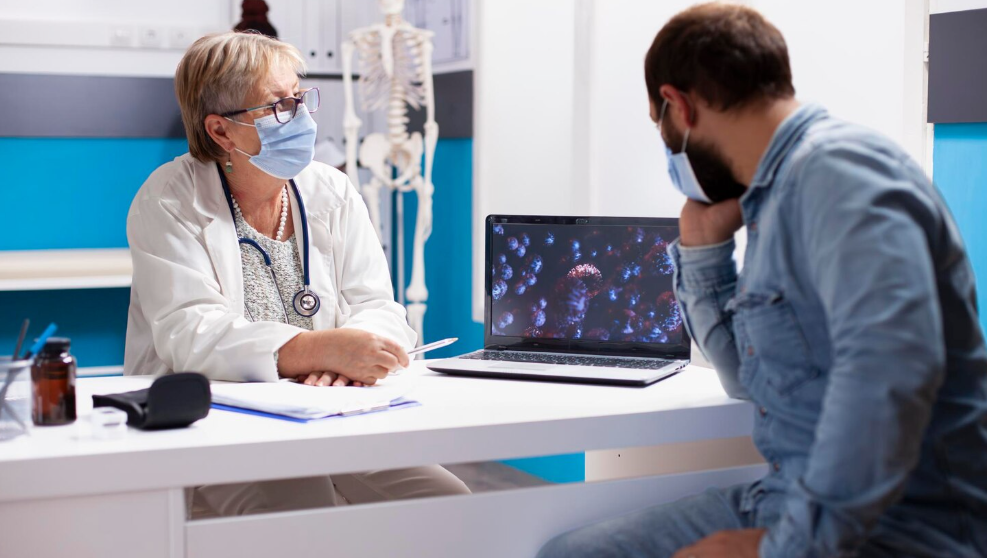
Despite heavy workloads, accuracy in medical notes remained a challenge without artificial intelligence support. When volumes rose, details were missed, terms varied, entries lagged behind care. Writing everything by hand opened space for mistakes across histories, prescriptions, medicines administered. Such gaps did not just slow down office tasks, they shaped outcomes quietly, altered invoices subtly, weakened trust slowly.
Digital transition and the need for intelligent clinical notes AI
Moving to digital patient files improved how information is kept, found, later used. Still, such systems depend on organized entries by staff, often demanding lengthy keyboard use, repeated menu selections. Because of these demands, Himcos includes clinical notes AI processing within its offerings, drawing key details from doctor-patient discussions automatically. Information gets sorted intelligently, guided by current care guidelines. Insights emerge ahead of time, shaped by established clinical patterns.
How clinical notes AI enhances summaries
Clinical notes AI applies pattern recognition and natural language processing (NLP) to transform doctor-patient dialogue into organized health summaries. Instead of manual entry, systems using computational models interpret context, meaning, and key details during consultations. Through automated transcription powered by adaptive software, clinicians receive accurate reports without extra effort. As a result, time spent on paperwork declines sharply across healthcare settings.
Natural language processing for medical history records
Natural language processing NLP enables artificial intelligence to process words spoken during doctor visits, test reports, or past files. Because of this, less typing is required by staff, cutting down mistakes while improving accuracy. Important details like prior conditions, signs of illness, treatment labels, drugs given, and future appointments are picked out automatically. Fewer repeated tasks occur when machines detect these elements without help.
Voice recognition and automated transcription
Instant voice-powered systems record medical conversations as they happen, turning speech into precise notes added directly to digital files. Because of this, less effort goes toward manual entry so attention stays where it matters most on the individual receiving care. Behind the scenes, smart processing separates voices even in group settings, minimizes irrelevant sounds, then marks key details needing follow-up. What emerges is a clearer, quieter workflow without constant back-and-forth.
Intelligent Clinical Summary creation from Patient Data
A system powered by Clinical notes AI, through smart compression techniques. Instead of overwhelming users, it extracts key data points while discarding redundant phrases. This condensed format allows doctors to scan past treatments efficiently. Information flows more smoothly between departments due to consistent output. Faster access to critical elements shortens evaluation timelines unexpectedly.
Impact on clinical efficiency
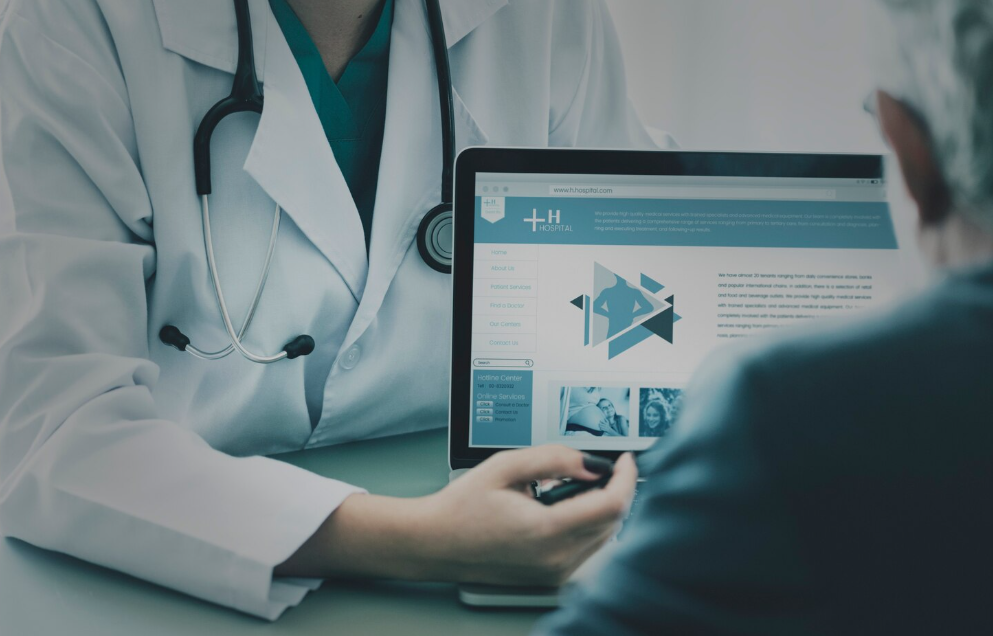
With artificial intelligence, healthcare providers manage operations more smoothly due to reduced demands in paperwork. Automation of basic duties like recording visits, updating charts, or assigning codes frees up medical staff, shifting attention toward those receiving care. Records become consistent across different professionals and units because entries follow uniform patterns driven by machine logic. Among its tools for health systems, Himcos offers an application for clinical notes AI to condense data while underlining key patient insights.
Efficiency grows not through speed alone but via sharper focus on treatment planning, team coordination, and precise record keeping. Through fewer delays and clearer outputs, daily processes gain reliability without adding complexity.
Reduction in administrative burden
Meeting regulations, handling reports, along with managing records often takes up significant effort within medical settings. With automation in place for routine steps like entering information, assigning codes, or updating charts, mistakes become less likely; workloads grow lighter. Attention shifts toward activities such as assessing individuals, organizing treatment approaches, and working alongside various specialists.
Himcos delivers tools through its technology platform applied to clinical notes AI being one example to support smoother daily operations. Accuracy remains intact even as systems handle more behind-the-scenes tasks under clinician supervision. Efficiency rises when structured assistance shares responsibility, allowing focus on those receiving care instead of paperwork piling up.
Improved accuracy, compliance and medical history consistency
Following standard practices in medicine, the clinical notes AI applies consistent terminology to lessen mistakes from missed details or uneven records. Because clarity matters, well-organized notes assist in meeting regulations, preparing for reviews, therefore lifting report precision. When information is complete, billing aligns more closely with services rendered, which lowers disagreements over payments along with accounting mismatches.
Within its range of health technologies, Himcos provides clinical notes AI aiding staff to keep records aligned while spotting gaps or contradictions. With less dependence on manual input, automated tools boost correctness in care delivery plus office operations, resulting in trustworthy files useful for choices based on facts, following rules, safeguarding patients throughout medical settings.
Support for clinical decision-making
Not only does AI store information, it examines medical records to uncover patterns, spot irregularities, one consequence being early warnings about possible health threats. When medication details do not align, when test values fall outside expected ranges, or treatment paths diverge from standards, these moments trigger alerts. Insight emerges through such signals, guiding doctors toward choices grounded in clarity rather than guesswork. Important facts appear streamlined, structured in ways that favor careful judgment over haste. Prediction becomes part of routine, care flows with better timing, attention goes where impact is greatest all while records remain thorough, supporting oversight long after decisions are made.
Integration with electronic health records
With clinical notes AI platforms working beside current EHR setups, added capabilities emerge without altering routine processes. As one result, patient records align instantly across units due to live data flow. Fewer mistakes occur because outdated or repeated inputs lose ground when changes appear fast. At the moment care is delivered, medical staff receive trustworthy details, shaping more informed choices and smoother team efforts. When automated insights join existing record frameworks, paperwork flows better, daily operations gain speed, and consistent, well-organized information stays available to every participant involved.
Interoperability across departments
Interoperability remains a key component of efficient healthcare delivery. When Clinical notes AI works within electronic record systems, different units gain access to uniform details about individuals, fewer errors occur, and repeated exams decline. Information flows clearly to nurses, experts in narrow fields, office staff alike through one common platform, enabling better teamwork and synchronized treatment paths. With formats kept consistent and entries organized by clinical notes AI, finding, understanding, and using individual health facts becomes easier throughout the facility.
A complete picture of wellness emerges when all parts share the same updated insights, guiding choices in therapy, advancing results, simplifying daily tasks across varied clinics and hospitals.
Scalability and customization
Not every medical setting runs the same way differences in scale, focus, and daily routines shape how records must be managed. Where fixed systems fail, intelligent tools adjust, offering room to reshape forms, outputs, and entries based on real-world demands. A solution built by Himcos uses clinical notes AI that bends without breaking under pressure of change. As care sites expand or shift direction, their paperwork methods evolve alongside, shaped by patient types, team goals, or legal rules. One system fits many not through rigidity but through smart variation.
Consistency emerges not from uniformity but from thoughtful design. Workloads lighten when repetition fades into background automation. Structure gains clarity where chaos once slowed progress. Records stay complete because logic fills gaps humans overlook. What remains is not perfection, but improvement, steady and silent.
What next?
What stands out today is how clinical notes AI are reshaping record-keeping in medicine. Through Himcos, such systems help reduce manual entry, boost precision, and guide medical judgments tackling issues that have persisted under older methods. When connected to digital health files, clinical notes AI contribute to smoother operations, better coordination among providers, and more consistent treatment outcomes. Over time, as capabilities evolve, the version provided by Himcos may shift from optional aid to essential components within clinics and hospitals alike supporting thorough records, efficient processes, and attention centered on individuals receiving care.